|
Creating a Family Journal
by Beverley Paine, July 2013
I first came across the idea of family journals in a book by Anna Kealoha called Trust the Children. The idea is to create something we will cherish and treasure for the rest of our lives, reminding us of the richness of these awesome days living and learning as a family together.
Journals are more than a record of what we did and when, they capture our thoughts, feelings and aspirations. They can be more than this too: as Anna says in her book they can outlets for our creative spirits. As well as writing our thoughts and reflections, we can use illustrations to share and remember our experiences. We can gently paste pressed flowers next to poems; collect quotes as well as bus or concert tickets; catch and record snatches of conversations that go with photos; doodle beside our favourite song lyric; monitor the weather; whatever.
Journals are a meaningful way to reflect on our lives, speeding by so fast, getting faster every year. Leafing through the physical pages of a journal, thick with our creative endeavours and artefacts of busy lives is easy and quick to do, unlike scrolling through Facebook or clicking on pages in a blog.
I love journals that are ongoing rather than annual as I feel pressured by empty pages begging to be filled by a certain time or date, but many families collate annual records of their home educating lives. Nothing reassures sceptical grandparents or siblings about the efficacy of home education as quickly flipping through a family journal. Alternatively your journal might be expressly private, a safe place for family members to communicate freely with each other, writing and recording anything they want, in whatever form they want. They might not yet be ready to share their work with others.
An important aspect of the family journal, of any journal or diary really, is that it is a regular activity. Both words - journal and diary - come from the Latin word for 'daily'. Keep your journal on the coffee table or somewhere handy, with pens and pencils nearby. If you treasure and cherish this book your children will too.
Your family journal might double as your home education planning document, with everyone contributing and recording ideas for things to do as they think of them. It might double as a calendar, recording appointments and visits from friends, etc. It might include birthday cards and postcards and special letters. Mindmaps, doodles, daydreams, cartoons and jokes might festoon snatches of everyday life. You might need to rebind the pages and create a new stronger cover as the journal grows!
Children of any age can participate in creating the family journal. Be imaginative and creative. Paste in pictures your little ones have drawn or painted, hand prints and scribbles. These will bring you both joy in years to come.
You can also use calligraphy, scrapbook techniques and materials, crayons and paints to illustrate and decorate journals. Ultimately, though, a journal is about content. A journal is a text we will want
to come back to - a trip down memory lane for many and varied reasons.
Finally Anna had a list of famous journal keepers: Thomas Edison had enough journals to fill a warehouse! Leonardo da Vinci's journals are famous. Buckminster Fuller created what are probably the most profound journals of the twentieth century. Benjamin Franklin's journals are still widely read. With the meticulous recording of thoughts and experiences much of ancient history would be lost to us. Marcus Aurelius was emperor of Rome from 161-180AD, and the Meditations are a collection of his thoughts, which he wrote down for his own benefit during his reign. They are fascinating, in that they portray the character, not only of the most celebrated Roman emperor, but of a person who has re-evaluated for himself what it means to be alive:
"If thou workest at that which is before thee, following
right reason seriously, vigorously, calmly, without allowing anything else to distract thee, but keeping thy divine part pure, as if thou shouldst be bound to give it back immediately; if thou holdest to this, expecting nothing, fearing nothing, but satisfied with thy present activity according to nature, and with heroic truth in every word and sound which thou utterest, thou wilt live happy. And there is no man who is able to prevent this."
Marcus Aurelius, Emperor of Rome,
161-180AD;
from The Meditations II, 12]

Was this article helpful? Was it worth $1.00 to you?
Your gift of $1 or more helps to keep this site operating
offering encouragement
and reassurance to families
wanting
better outcomes for their children.
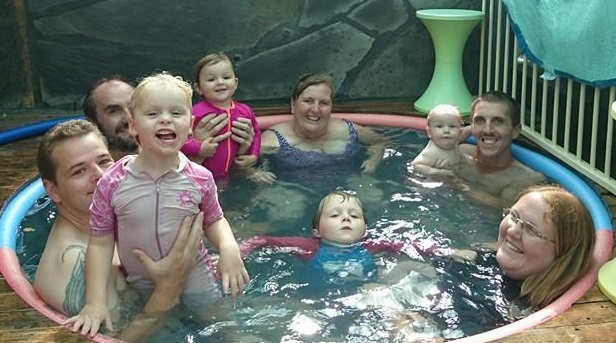
Beverley Paine with her children, and their home educated children, relaxing at home.
Together with the support of my family, my aim is to help parents educate their children in stress-free, nurturing environments. In addition to building and maintaing this website, I continue to create and manage local and national home educating networks, help to organise conferences and camps, as well as write for, edit and produce newsletters, resource directories and magazines. I am an active supporter of national, state, regional and local home education groups.
"You've been an inspiration to me, I love the way
you really listen to people." Vanessa
"Whenever I read your writing I always come away
with increased confidence in my ability to provide and
share a wonderful learning journey with my family!" Davina
"Your guidance, understanding, support and words of
wisdom changed our lives. We now offer support and
organise many homeschooling events for others." Lesley
"Thank you once again for your prompt and friendly service.
I am convinced that your books are going to add
quality and peace of mind to my journey of teaching my kids
at home! Just from studying your website, until almost
2am
in the morning, I 've been encouraged!" Louisa
"Thank you for all your many,many reassuring words
over many, many years. You probably don't know exactly how
valuable you are to the Australian Home Education community.
I've been reading your stuff for maybe 8 years or more now.
And I'm very grateful." Gythaa

CLICK HERE
if you want to learn
how to write your own education plans
to suit
your unique children's
individual learning needs?
Or you are looking for quality curriculum and teaching tips...
|
|
Welcome to the World of Home Education
and Learning without School!
We began educating our children in 1985, when our eldest was five. In truth, we had helped them learn what they need to learn since they were born. I am a passionate advocate of allowing children to learn unhindered by unnecessary stress and competition, meeting developmental needs in ways that suit their individual learning styles and preferences. Ours was a homeschooling, unschooling and natural learning family! There are hundreds of articles on this site to help you build confidence as a home educating family. We hope that your home educating adventure is as satisfying as ours was! Beverley Paine
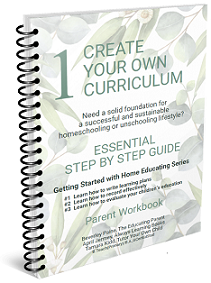
3 ESSENTIAL STEP BY STEP GUIDES
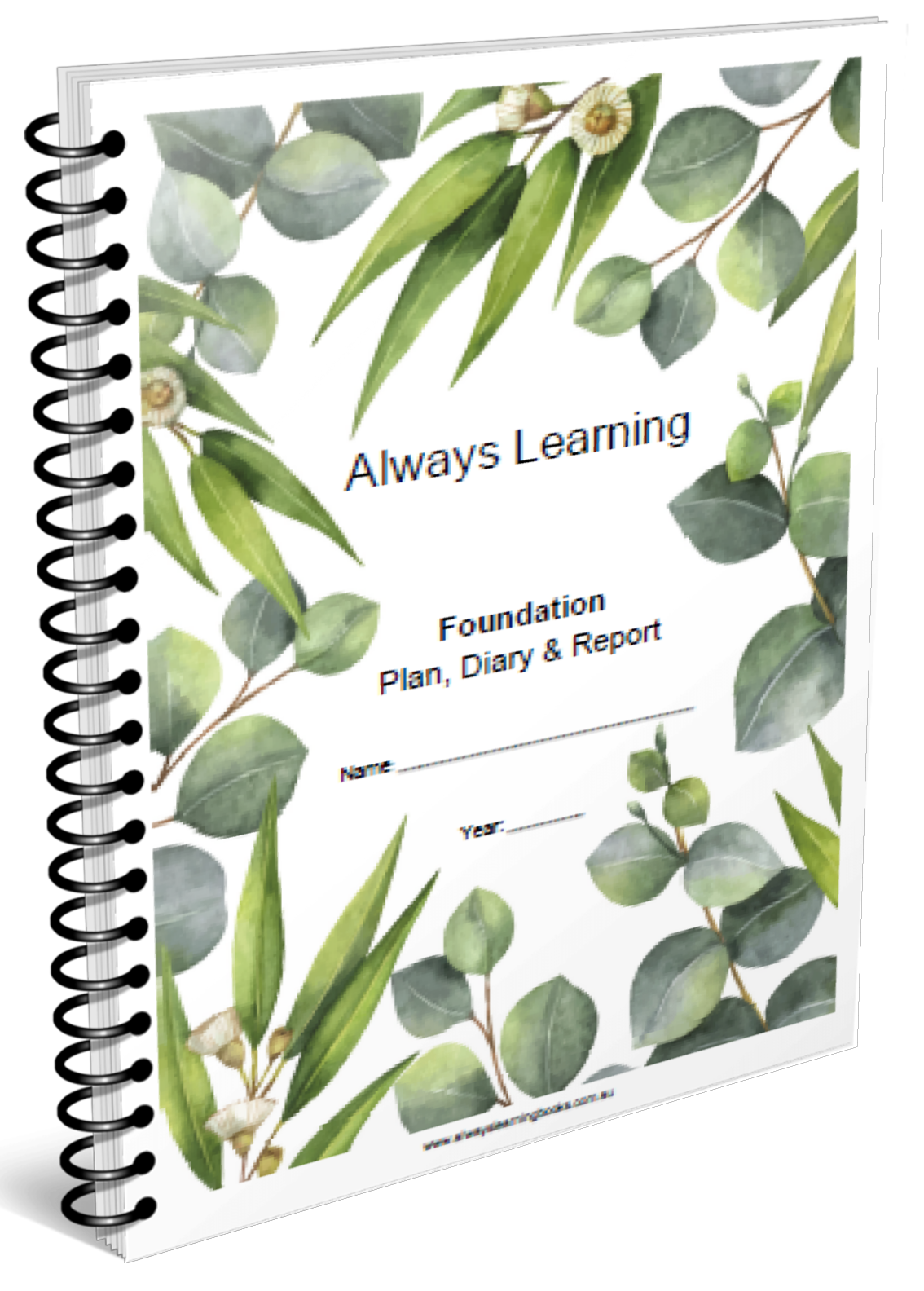
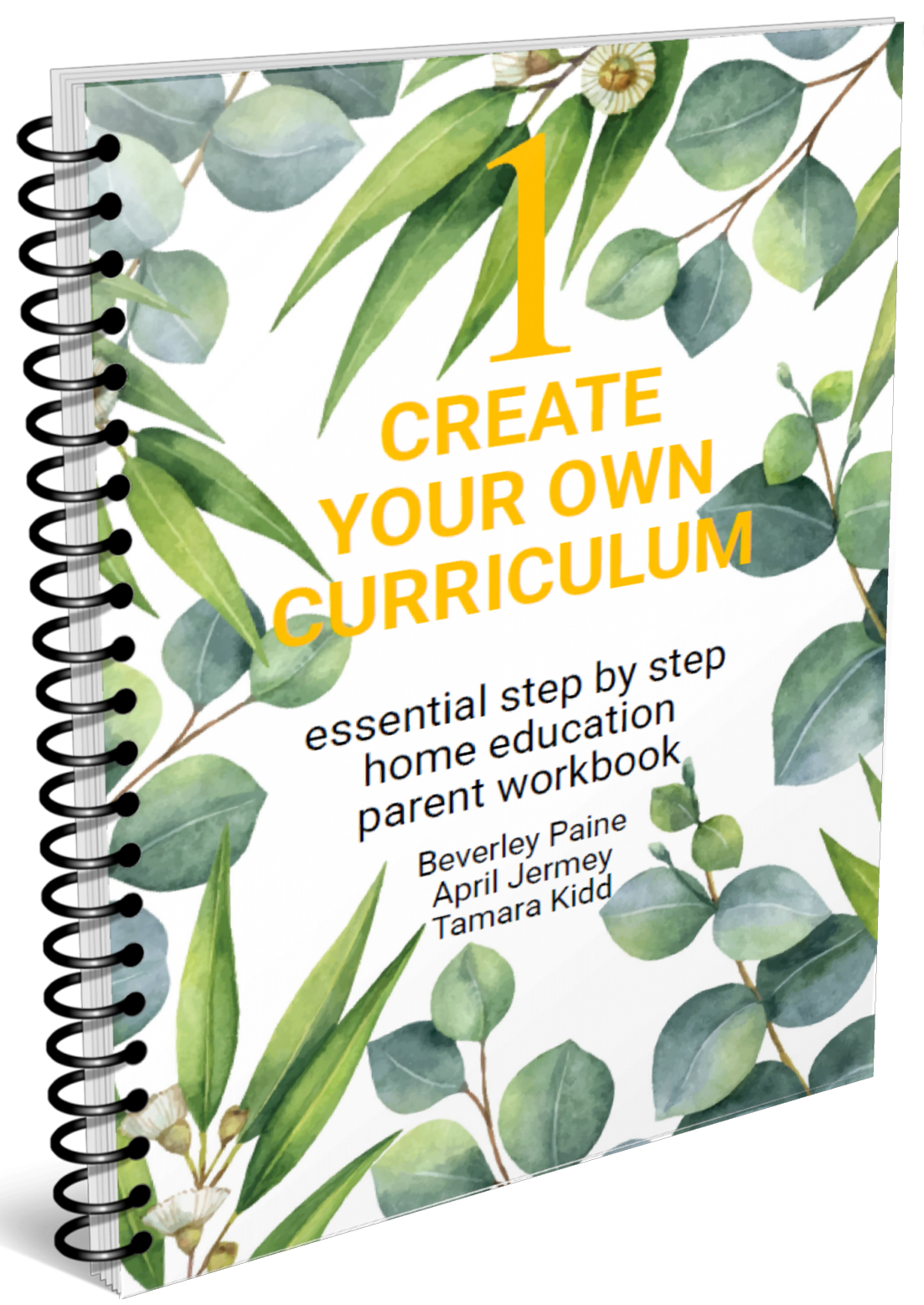
Let experienced home educators Beverley, Tamara and April walk you through HOW to create a learning plan that builds on solid foundations that works for YOUR family AND ticks all the boxes for home educaton registration!
|
Tap into Beverley's
experience
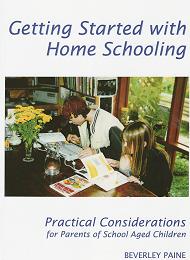
through her books
"Your books, your blogs helped me beyond words... they helped me to find comfort in knowing it is ok to choose exactly what is best for my family." Nisha
"Your books and information are mind blowing and already I am feeling good about this new experience." Diane
"Your guidance, understanding, support & words of wisdom changed our lives." Leslie
"I feel specially inspired by Beverley's words and, the more I read her comments, the more inspired I feel, since my need for support, respect for different parenting styles, and information are fully met." Marijo
|
 |
|

The information on this website is of a general nature only and is not intended as personal or professional advice. This site merges and incorporates 'Homeschool Australia' and 'Unschool Australia'.
The Educating Parent acknowledges the Traditional Aboriginal and Torres Strait Islander Owners, the Custodians of Australia, and pay our respects to Elders past and present and extend that respect to Aboriginal and Torres Strait Islander people viewing this website.
Advertise on this site.








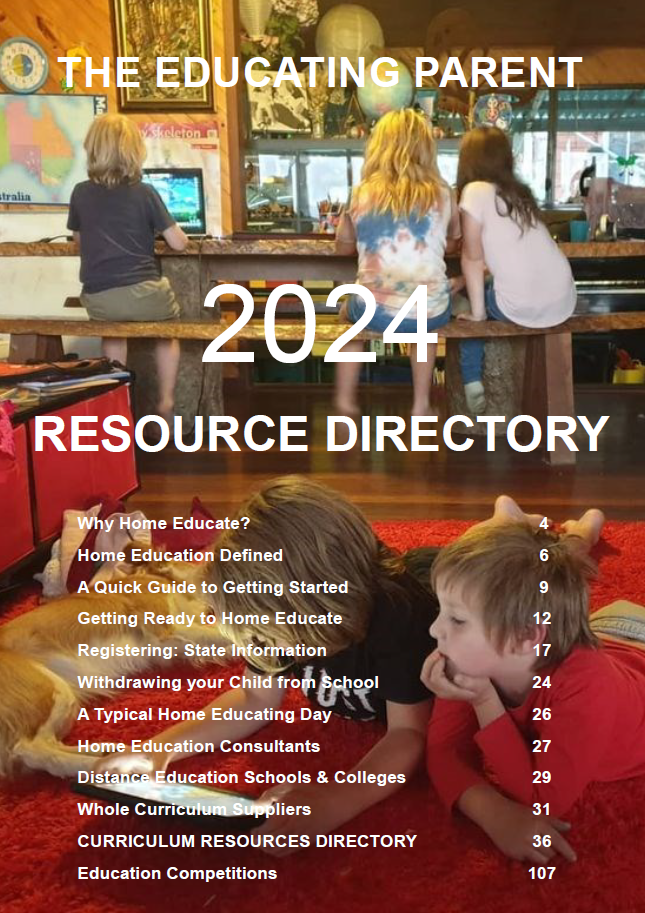
Australia's premier online annual conferences, lifetime access to video and audio recordings, freebies, notes and associated resource guides.
EVERY SUMMIT IS UNIQUE!
$29 each  2023 2023  2022 2021 2022 2021
$25 each 2020 2019 2017
"Biggest and best Aussie homeschool event of the year!"
Home education is a legal alternative
to school education in Australia.
State and Territory governments are responsible
for regulating home education and have different
requirements, however home educating families
are able to develop curriculum and learning programs
to suit the individual needs of their children.

Without revenue from advertising
by educational suppliers and Google Ads
we could not continue to provide information
to home educators. Please support us by letting
our advertisers know that you found them on
The Educating Parent. Thanks!
|
 About
About

 Thank you for visiting!