|
Irlen Syndrome (Scotopic Sensitivity)
Coloured Glasses for Better Reading
by Dianne Bevan
John's Story
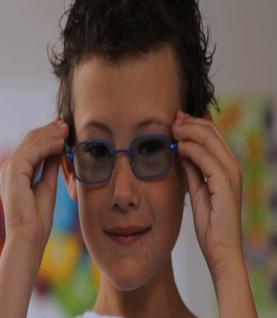 John, age 10, is a bright child with good verbal skills who is struggling with reading. He has problems focusing and staying on task. His parents have tried tutoring, various reading programs, and other therapies; but he continued to struggle. He was tested w i thout finding any answers. He was even tested for ADHD. His parents know something is wrong but could not find any solutions. John, age 10, is a bright child with good verbal skills who is struggling with reading. He has problems focusing and staying on task. His parents have tried tutoring, various reading programs, and other therapies; but he continued to struggle. He was tested w i thout finding any answers. He was even tested for ADHD. His parents know something is wrong but could not find any solutions.
John has a type of perceptual processing problem called Irlen Syndrome
which can be removed with special coloured filters worn as glasses. He now
has been wearing his Irlen Filters for just over six months and says, "I really
enjoy reading now. The words stopped moving and I don't get any
headaches."
His mother reports: "It is great to finally be able to find an answer. His Irlen Coloured Filters are the first thing he puts on when he wakes up and the last
thing he takes off at night . Gone are all the headaches, he is now reading on
grade level, and his grades have gone from C's to A's and 8's. He can now
copy from the board without making errors."
Background: The Irlen Method
Children and adults with Irlen Syndrome perceive the printed page, numbers,
and musical notes in a distorted fashion instead of clear and stable. The
individual may not be aware of the extra energy and effort being put into
reading. Nobody ever asks if the print is blurry, moves, or disappears. No
one asks if reading makes your eyes water, feel sleepy, or gives you a
headache. But this type of perceptual problem can make reading a difficult
or even painful task. Perceptual problems can even affect the ability to pay
attention and sit still.
When perceptual problems on the page are severe, difficulty seeing the print can interfere with learning to read. For most, however, it affects the ability
to successfully use their reading skills, read with comprehension, or read
comfortably without having to take breaks.
The Irlen Method corrects a visual processing deficit which causes problems reading, copying, with math, and affects attention and concentration. Thirty years of research have shown that this type of processing problem is a result of the brain not being able to process visual information correctly. The solution is using coloured overlays over the page
or wearing specially tinted lenses worn as glasses with/without an optical script. The colour (which is different for each person) is the key to the success of the program and can only be determined after an assessment by an educational professional trained in the Irlen Method.
Typically, those who can be helped may have problems in one or more of the
following areas:
Reading Difficulties: Losing place, misreading words, skipping words and
lines, problems tracking, poor comprehension, and/or a slow reading rate.
Discomfort: Symptoms are varied and can include tiredness, sleepiness,
headaches, and eyes that hurt or become watery when reading.
Attention and Concentration Problems: Problems starting and staying on task when reading and doing academic tasks. Sometimes misidentified as
attention deficit disorder and given medication unnecessarily.
Light Sensitivity: Bothered by lighting, especially fluorescent lighting, bright lights, glare, and sunlight.
Distortions: Words on the page lack clarity or stability; i.e., may appear to
be blurry, moving, or disappear.
Self-Test
No one really knows what reading is like for others. Some people who struggle with reading have a type of processing problem which can be helped
by the Irlen Method. You can check to see if you or your child's reading can improve by taking the following Self-Test. .
When reading, copying from the whiteboard or using the computer:
- Do you skip words or lines?
- Do you lose your place?
- Do you build breaks into reading?
- Do you feel strain, fatigue, or tired?
- Do you feel sleepy or get headaches?
- Do you reread for comprehension?
- Is your reading slow or hesitant?
- Does reading get harder the longer you read?
- Do you misread words?
- Do you have trouble tracking from one line to the next?
- Do you read in dim lighting?
- Are you bothered by bright lights or fluorescent lights?
- Do you get headaches or feel sleepy, antsy, or fidgety when in fluorescent
lights?
- Do you have trouble copying?
- Do you have trouble keeping numbers in columns?
Individuals who are the most successful would answer "No" to all of the questions above. The more "Yes" answers, the harder you are working
and the more difficult it will be for you to demonstrate your true potential
until corrected by the Irlen Method.
For further information please contact Dianne at the Irlen Gold Coast Clinic.

Was this article helpful? Was it worth $1.00 to you?
Your gift of $1 or more helps to keep this site operating
offering encouragement
and reassurance to families
wanting
better outcomes for their children.

Beverley Paine with her children, and their home educated children, relaxing at home.
Together with the support of my family, my aim is to help parents educate their children in stress-free, nurturing environments. In addition to building and maintaing this website, I continue to create and manage local and national home educating networks, help to organise conferences and camps, as well as write for, edit and produce newsletters, resource directories and magazines. I am an active supporter of national, state, regional and local home education groups.
"You've been an inspiration to me, I love the way
you really listen to people." Vanessa
"Whenever I read your writing I always come away
with increased confidence in my ability to provide and
share a wonderful learning journey with my family!" Davina
"Your guidance, understanding, support and words of
wisdom changed our lives. We now offer support and
organise many homeschooling events for others." Lesley
"Thank you once again for your prompt and friendly service.
I am convinced that your books are going to add
quality and peace of mind to my journey of teaching my kids
at home! Just from studying your website, until almost
2am
in the morning, I 've been encouraged!" Louisa
"Thank you for all your many,many reassuring words
over many, many years. You probably don't know exactly how
valuable you are to the Australian Home Education community.
I've been reading your stuff for maybe 8 years or more now.
And I'm very grateful." Gythaa


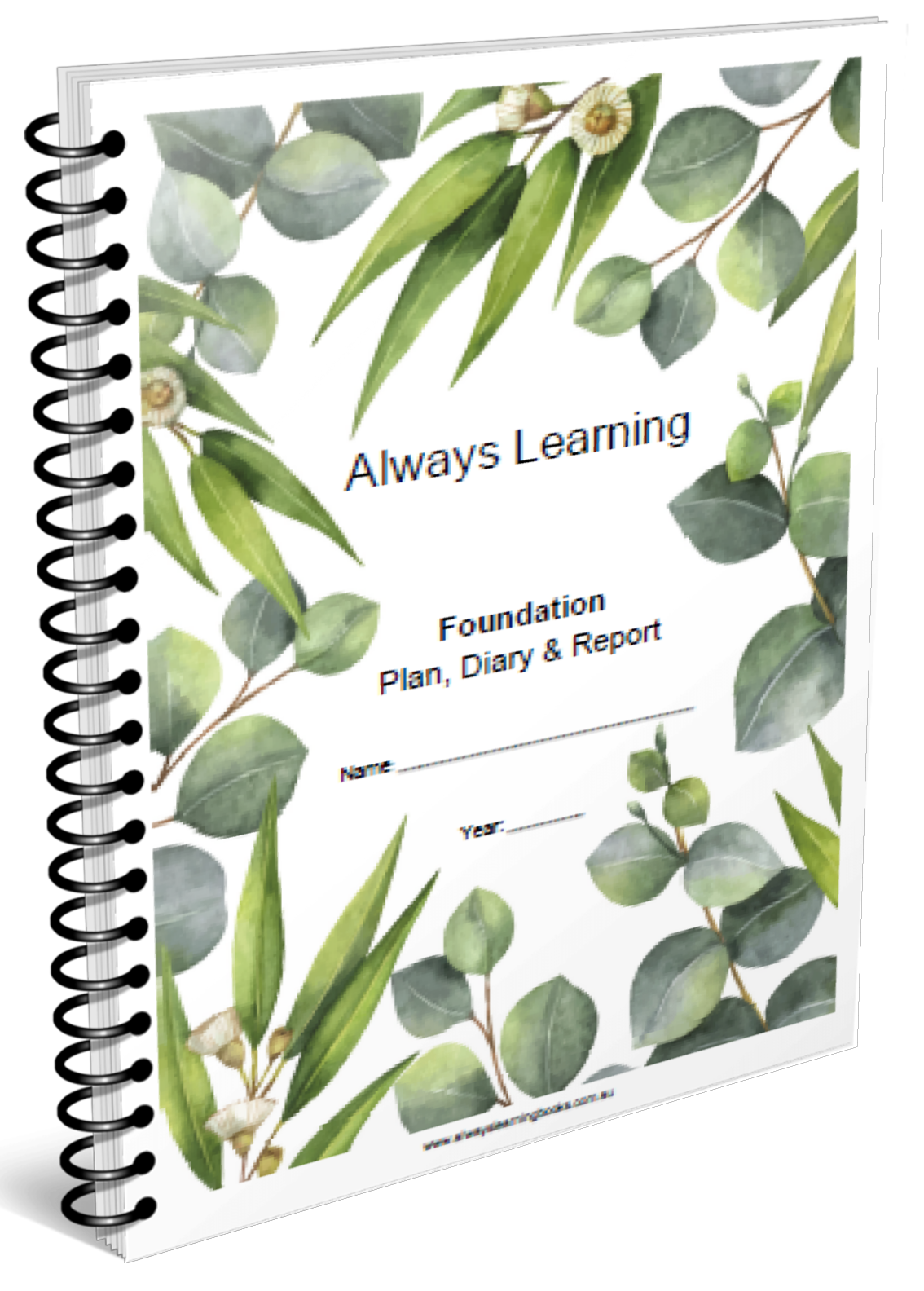
Want to learn how to write your own education plans
to suit your unique children's individual learning needs?
Or you are looking for quality curriculum and teaching tips...
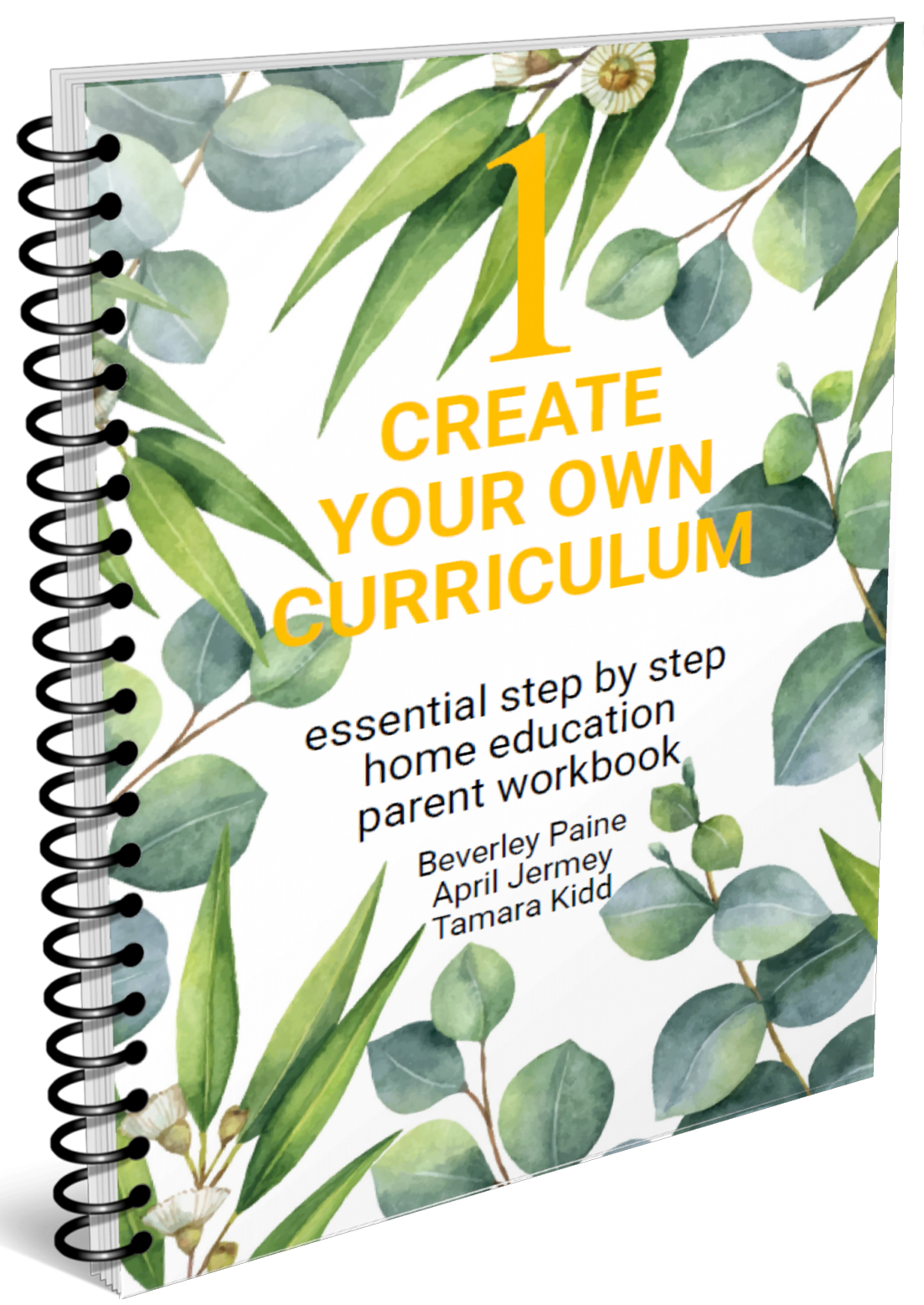
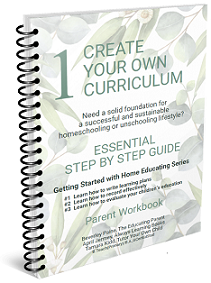
Comprehensive 3 workbook 'how to home ed' course
covering the essential skills you need
successfully home educate your children
|
|
Welcome to the World of Home Education
and Learning without School!
We began educating our children in 1985, when our eldest was five. In truth, we had helped them learn what they need to learn since they were born. I am a passionate advocate of allowing children to learn unhindered by unnecessary stress and competition, meeting developmental needs in ways that suit their individual learning styles and preferences. Ours was a homeschooling, unschooling and natural learning family! There are hundreds of articles on this site to help you build confidence as a home educating family. We hope that your home educating adventure is as satisfying as ours was! Beverley Paine
3 ESSENTIAL STEP BY STEP GUIDES
Let experienced home educators Beverley, Tamara and April walk you through HOW to create a learning plan that builds on solid foundations that works for YOUR family AND ticks all the boxes for home educaton registration!
|
Tap into Beverley's
experience
through her books
"Your books, your blogs helped me beyond words... they helped me to find comfort in knowing it is ok to choose exactly what is best for my family." Nisha
"Your books and information are mind blowing and already I am feeling good about this new experience." Diane
"Your guidance, understanding, support & words of wisdom changed our lives." Leslie
"I feel specially inspired by Beverley's words and, the more I read her comments, the more inspired I feel, since my need for support, respect for different parenting styles, and information are fully met." Marijo
|
 |
|

The information on this website is of a general nature only and is not intended as personal or professional advice. This site merges and incorporates 'Homeschool Australia' and 'Unschool Australia'.
The Educating Parent acknowledges the Traditional Aboriginal and Torres Strait Islander Owners, the Custodians of Australia, and pay our respects to Elders past and present and extend that respect to Aboriginal and Torres Strait Islander people viewing this website.
Advertise on this site.





Home education is a legal alternative
to school education in Australia.
State and Territory governments are responsible
for regulating home education and have different
requirements, however home educating families
are able to develop curriculum and learning programs
to suit the individual needs of their children.

Without revenue from advertising
by educational suppliers and Google Ads
we could not continue to provide information
to home educators. Please support us by letting
our advertisers know that you found them on
The Educating Parent. Thanks!
|
 About
About
 Thank you for visiting!