|
Conflict in Homeschool Groups: helping our children build and maintain friendships
By Beverley Paine
Sometimes, not often, but sometimes, at homeschool group a couple of children fall out of friendship. In such close knit groups this can be quite unsettling for everyone. I have to admit I used to over-react and try to coax the children into being friends again. They rarely appreciated my interference and most of the time they didn't need it either. It usually didn't take long before the grumpy youngsters were best friends again, problem forgotten.
That's something I learned from children: it's okay to 'let go' and simply get on with life sometimes, rather than always analyse the situation, resolve the conflict, apologise and forgive. Children move quickly, physically and mentally, and my clumsy attempts at patching things up were too slow. I know this because the children would look bored, as well as pained, that mum was 'doing her thing again'.
Every now and then though, one friend would cross the line with his or her behaviour and the whole group dynamic would be shattered. No one wanted to play with that child again. The parents would gradually ostracize the family of the offending child. Excuses might be made that would confuse and hurt the excluded family. It is sometimes easier to reject a friend altogether than to complain about her child's offensive behaviour.
Often, the final action that breaks the friendship comes after many attempts by the other children and families to solve the problem. Children are amazingly resilient and forgiving. Usually when issues between children come to the attention of parents it is because the children have already exhausted their repertoire of problem solving skills. They've had enough. It's harder when the children have reached the point where they gang up on the offending child. This is well past the point of intervention by adults.
No one should have to put up with offensive behaviour. As parents we need to champion our children: this doesn't mean immediately taking their side or protecting them. It means showing them how to avoid conflicts by being better friends in the first place. Probably the most important way we do this is by modelling positive and constructive friendship behaviours with our friends. Reading books and watching movies about friendships and talking about the way in which the characters resolve their conflicts is another tool we use.
Few of us are taught what it is to be a friend - we learn it by becoming friends, by having friends, and by being a friend. Often this isn't in the most ideal conditions. Schooled children learn friendship in a competitive environment. I've watched countless children new to homeschooling disrupt the happy dynamics of a homeschool group, with games they've brought from the school playground. These games are often not very friendly in nature and set one group up against another group, or victimize one or more children. Adults say it's all part of learning and growing up and making friends. I don't think so. But that way of playing is a fact of life and there isn't much we can do - other than promote home education - to change it. We need to help our children find ways of coping with this kind of established anti-social behaviour.
When we, as adults, put up with this kind of anti-social behaviour what does that say about the way we think? What are the thoughts that motivate acceptance of it? Are these the thoughts we want our children to embrace and internalize, the same way we did? For me, I was always afraid of what people would think of me if I didn't go along with the crowd, even when what was happening didn't make sense, wasn't friendly, hurt others or myself. I believed the nonsense that I wouldn't be liked or respected if I stood up for myself or my friends or what I believed. Because my children were seldom subjected to anti-social playground behaviour they didn't have that set of fears and behaved differently. They weren't afraid to put a stop to anti-social games, or to simply refuse to play. This challenged me at first - I was afraid my children wouldn't fit in, or wouldn't have many friends, or they wouldn't be liked, etc. My children lived and operated in a new paradigm though, one in which their self-confidence and respect for themselves and their friends took centre stage. My fears proved to be unfounded and essentially irrational.
Children are taught to be unfriendly, selfish, mean, nasty, and anti-social. They are taught that to be a 'good friend' they need to put up with that kind of behaviour and that in some instances it is even okay to instigate it. This is a corruption of the whole idea of friendship. We don't have to play the social game by those rules!
Children are also taught that friends are hard to come by and that it's important to do everything you can to win and hold them. Who you are and how successful you are as a person is often judged by how many friends you have. Facebook and other internet social networks is the ultimate expression of this corruption of the concept of friendship. It is understandable that we and our children think twice about ending friendships. However, when friendships consistently involve disrespectful, aggressive, violent or hurtful behaviour it is time to think carefully about how healthy it is to have that friendship in our lives. As parents we need to help our children end friendships that hurt them. In our own friendships we need to model the importance of communication, of seeking clarification, of listening attentively, of saying what we mean and being honest about our feelings. We also need to use language in ways that build strong scaffolds for our children to use in their relationships. Sometimes this means being explicit and spelling out in more words than we'd normally use in conversation, with the same care and attention we'd give to helping our children learn any other part of the 'curriculum'.
One of the most useful tools I've found is using 'I' statements, changing my colloquial use of the word 'you' in everyday speech to take ownership of my thoughts and beliefs, rather than projecting them onto the universal other, 'you'. This sidesteps the issue of blame and recriminations, which doesn't generally lead to solutions or 'win-win' outcomes. Instead of shouting "You always quit, you're a loser!" to manipulate someone to stay and play (fear of being abandoned) communicate what you really want: "I like winning, but I like playing with you more - please stay and play and I'll help you learn how to win too."
By modelling this way of talking about what is happening in our friendships our children naturally pick up the tools to manage and handle their relationships. It is the cornerstone of assertive behaviour and helps children build friendships by first getting to know themselves - the natural way to learn socialisation skills.
See also:

Was this article helpful? Was it worth $1.00 to you?
Your gift of $1 or more helps to keep this site operating
offering encouragement
and reassurance to families
wanting
better outcomes for their children.
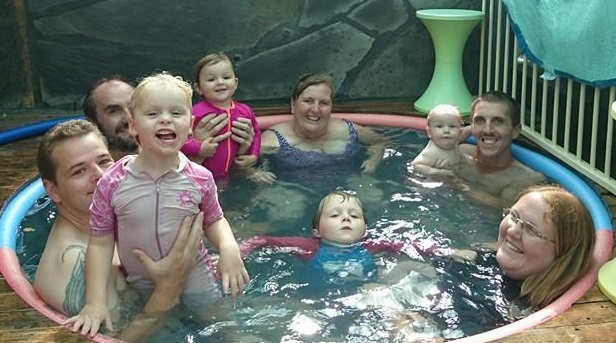
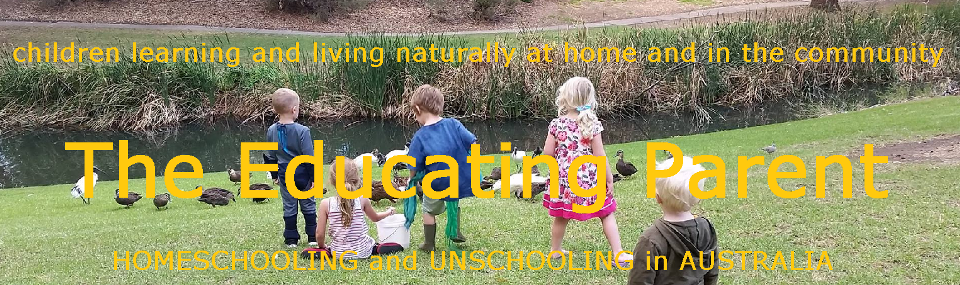
Beverley Paine with her children, and their home educated children, relaxing at home.
Together with the support of my family, my aim is to help parents educate their children in stress-free, nurturing environments. In addition to building and maintaing this website, I continue to create and manage local and national home educating networks, help to organise conferences and camps, as well as write for, edit and produce newsletters, resource directories and magazines. I am an active supporter of national, state, regional and local home education groups.
"You've been an inspiration to me, I love the way
you really listen to people." Vanessa
"Whenever I read your writing I always come away
with increased confidence in my ability to provide and
share a wonderful learning journey with my family!" Davina
"Your guidance, understanding, support and words of
wisdom changed our lives. We now offer support and
organise many homeschooling events for others." Lesley
"Thank you once again for your prompt and friendly service.
I am convinced that your books are going to add
quality and peace of mind to my journey of teaching my kids
at home! Just from studying your website, until almost
2am
in the morning, I 've been encouraged!" Louisa
"Thank you for all your many,many reassuring words
over many, many years. You probably don't know exactly how
valuable you are to the Australian Home Education community.
I've been reading your stuff for maybe 8 years or more now.
And I'm very grateful." Gythaa


Want to learn how to write your own education plans
to suit your unique children's individual learning needs?
Or you are looking for quality curriculum and teaching tips...
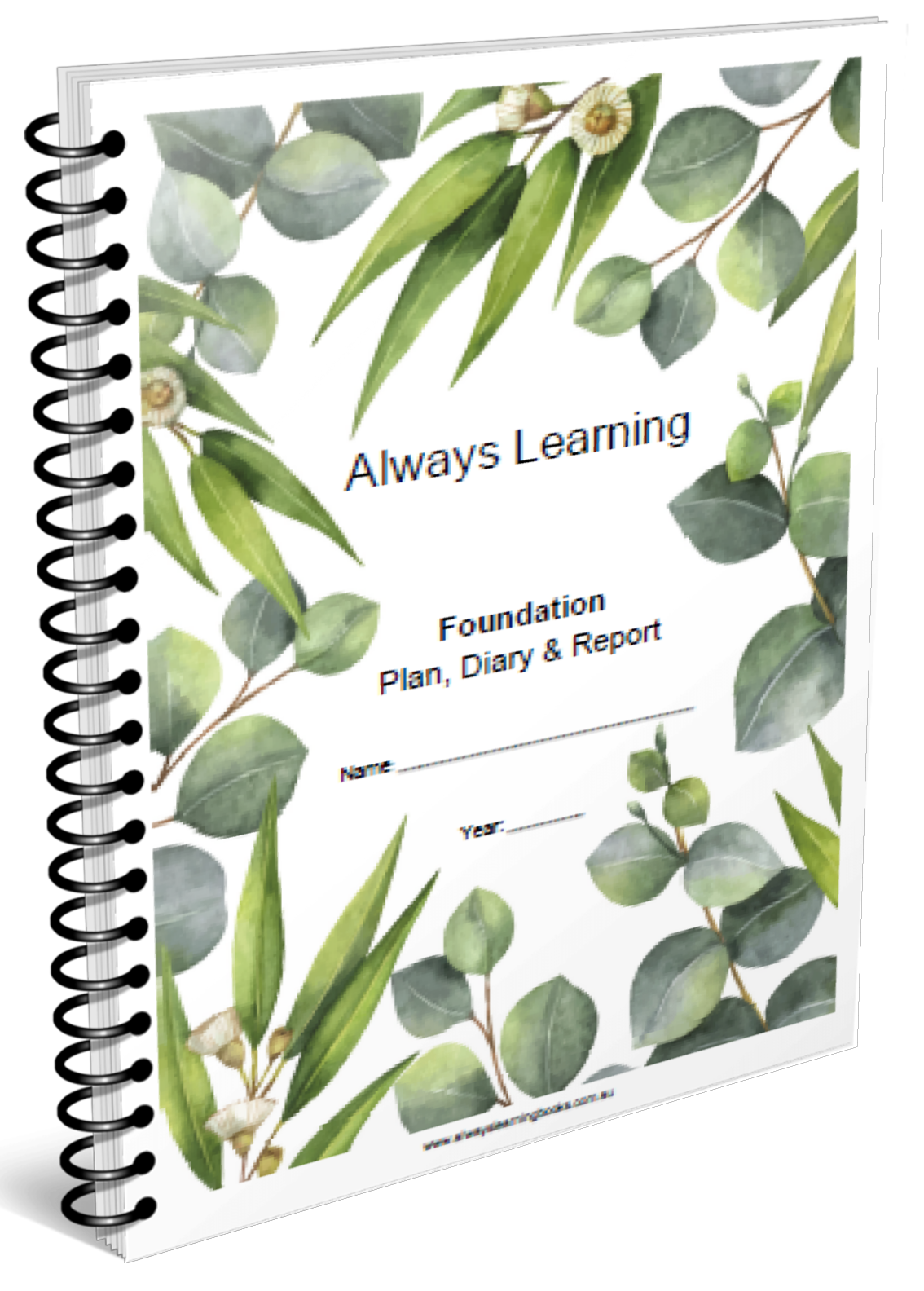
Comprehensive 3 workbook 'how to home ed' course
covering the essential skills you need
successfully home educate your children
|
|
Welcome to the World of Home Education
and Learning without School!
We began educating our children in 1985, when our eldest was five. In truth, we had helped them learn what they need to learn since they were born. I am a passionate advocate of allowing children to learn unhindered by unnecessary stress and competition, meeting developmental needs in ways that suit their individual learning styles and preferences. Ours was a homeschooling, unschooling and natural learning family! There are hundreds of articles on this site to help you build confidence as a home educating family. We hope that your home educating adventure is as satisfying as ours was! Beverley Paine
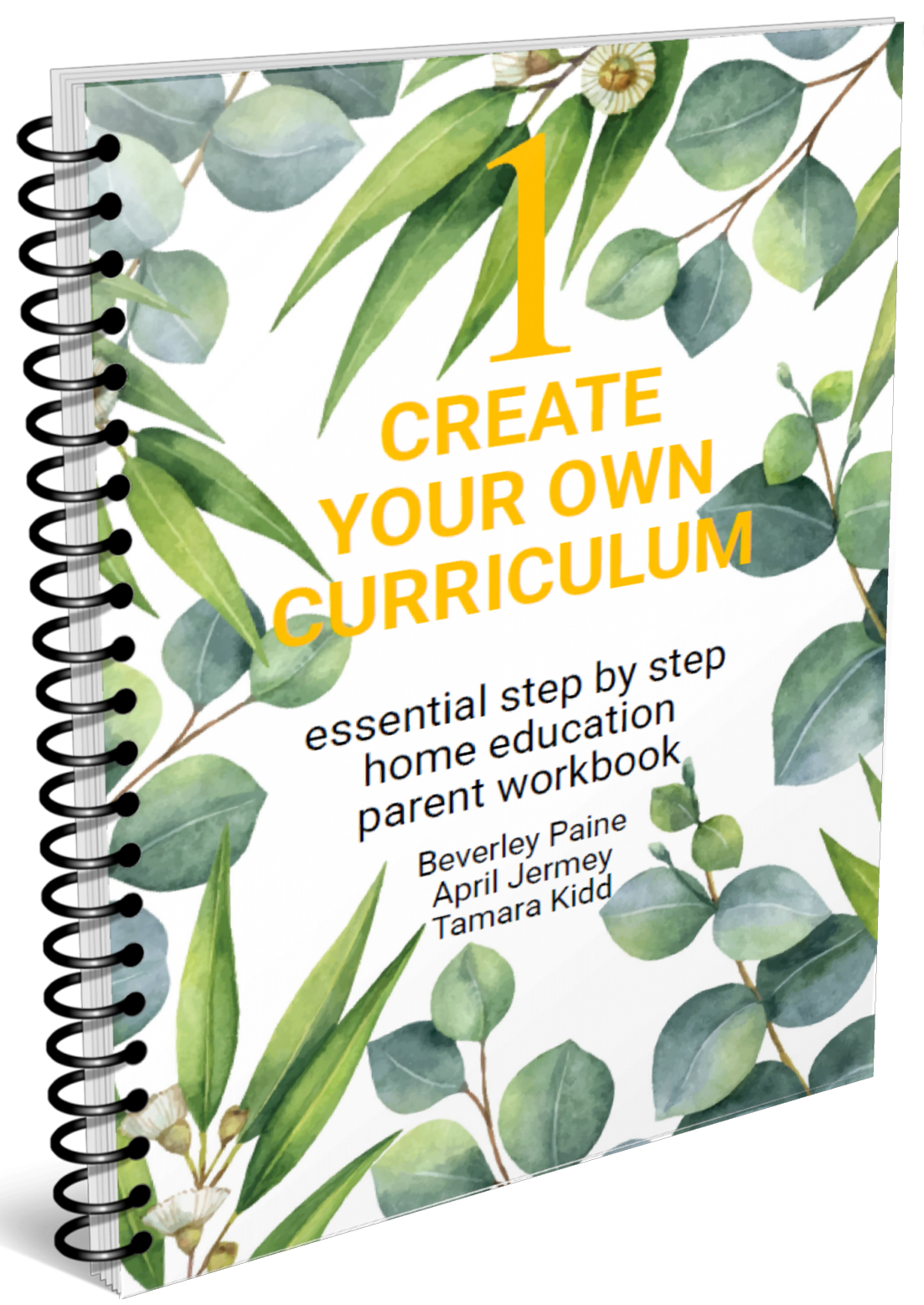
3 ESSENTIAL STEP BY STEP GUIDES
Let experienced home educators Beverley, Tamara and April walk you through HOW to create a learning plan that builds on solid foundations that works for YOUR family AND ticks all the boxes for home educaton registration!
|
Tap into Beverley's
experience
through her books
"Your books, your blogs helped me beyond words... they helped me to find comfort in knowing it is ok to choose exactly what is best for my family." Nisha
"Your books and information are mind blowing and already I am feeling good about this new experience." Diane
"Your guidance, understanding, support & words of wisdom changed our lives." Leslie
"I feel specially inspired by Beverley's words and, the more I read her comments, the more inspired I feel, since my need for support, respect for different parenting styles, and information are fully met." Marijo
|
 |
|

The information on this website is of a general nature only and is not intended as personal or professional advice. This site merges and incorporates 'Homeschool Australia' and 'Unschool Australia'.
The Educating Parent acknowledges the Traditional Aboriginal and Torres Strait Islander Owners, the Custodians of Australia, and pay our respects to Elders past and present and extend that respect to Aboriginal and Torres Strait Islander people viewing this website.
Advertise on this site.




Home education is a legal alternative
to school education in Australia.
State and Territory governments are responsible
for regulating home education and have different
requirements, however home educating families
are able to develop curriculum and learning programs
to suit the individual needs of their children.

Without revenue from advertising
by educational suppliers and Google Ads
we could not continue to provide information
to home educators. Please support us by letting
our advertisers know that you found them on
The Educating Parent. Thanks!
|
 About
About
 Thank you for visiting!