|
How to Develop and Encourage Creative Thinking Skills
Esther Andrews
[This article was reprinted with permission from Metamorphis, Wednesday, 5 July 2006 issue, a Tools for Transformation newsletter by Peter Shepard.]
In my opinion, creativity is the real genius. Intelligent children learn fast, and apply their knowledge in everyday life situations. But - inventing something new, creating something original, that is real genius. I always admire originality, whether it is original artwork, an original story, or an invention that can make life easier for many people.
How can we teach our children creative thinking? How can we teach them the habit of thinking "outside the box"? Here are a few easy and fun suggestions for activities that will go a long way toward developing this very valuable skill of creative thinking in your child. Slight adjustments may be needed for your child's age and skill.
- Play the following game: one person starts telling a story. He stops after a few sentences, and the next player continues his story. There is no limit to the number of players. It is a great idea to record the story, so that it can be distributed to the participants later, for the enjoyment of everyone. This is a very fun activity that trains your child (and you too, if you are participating) to think creatively.
- Prepare a series of pictures. The pictures can be taken from a book, from several books, from newspapers - or even downloaded from the Internet and printed on a home printer. Put the pictures next to each other, and let your child tell a story, using those pictures. You can take turns, your child and you, developing the story based on the pictures. This game can have several variations: put the pictures face down on the table, then turn them over one by one, to continue the story. Gradually increase the speed of turning the pictures over, so that the story teller has to come up with the story continuation faster and faster. When you are done with a set of pictures, just change the order, and see if your child can come up with a different story, based on the new order.
- Prepare a series of words written on cards. Play the same game - tell a story using these words. You can use the same variations as above.
- Play a piece of classical music, and let your child tell you what kind of mood does this music create, what kind of story does this music tell?
- Play a piece of music, and have your child paint a picture that shows the mood this music creates, or tells the story this music is telling.
- When your child comes up with a story in one of the previous activities, ask your child to change the story in order to change the mood. For example, if the story is sad - can he change the story to be happy? Can he change it to be a mystery? Can he change it to be a comedy, or a funny story?
- When reading a book with your child, always ask open ended and thought provoking questions like: How would you handle this situation? What could the character do differently? How do you think did the character feel?
- Print several pictures on paper. (You can use cardboard if you'd like to make the pieces more durable). Cut each picture into 9 parts (or more, if you want to make this game more complex). Now let your child put the pictures back together. After putting all pieces back together into the original pictures, you can mix the pieces, so that your child can create new pictures, combining pieces from different pictures. Start with two pictures mixed together, and advance to more and more pictures. Start with bigger pieces, cutting the picture into 4 parts only, and advance to smaller and smaller pieces, cutting the picture into more and more pieces. Also, use more and more complicated pictures, that include more details.
- Play "pretend" games with your child often, or use "role playing" with your child. When you read a story, ask your child to play the role of his favorite character.
- When your child has friends visiting, have them come up with a short play and perform it for the parents. This is always a fun activity for the children, and it also keeps them very busy.
- Encourage your child to paint a picture of an object. Then have him paint it in different colors. For example, ask your child to paint or draw a bunch of fruit. Then have him change the colors of all the fruit. Have a red banana, yellow apple and so forth.
- Choose a day a week, and have all family members do their routine activities in a different way. For example, brush their teeth in a different way than usual. Take a different way to school. Sing instead of talking. Get up earlier, and and play a new game. Walk backwards... Be creative, and encourage your child to be creative too.
- Don't ever discourage your child from using his imagination. If your child tells an imaginary story, always praise him and acknowledge the creativity. If your child comes up with an original answer to a question, even if the answer is incorrect, acknowledge creative thinking.
- Keep your eyes open for any signs of creativity and originality. Always praise and encourage these traits.
Have fun, and enjoy! To your child's creativity!
Loads more great info in The Manual Your Child Should Have Come With - How to Develop Your Child's Genius . For the 4th of July and for Metamorphosis subscribers, Esther is running a special promotion for the book: you get more than 20% discount! Be quick for this offer - it expires on the 8th... please check it out here .
Back to Teaching Tips and Ideas

Was this article helpful? Was it worth $1.00 to you?
Your gift of $1 or more helps to keep this site operating
offering encouragement
and reassurance to families
wanting
better outcomes for their children.
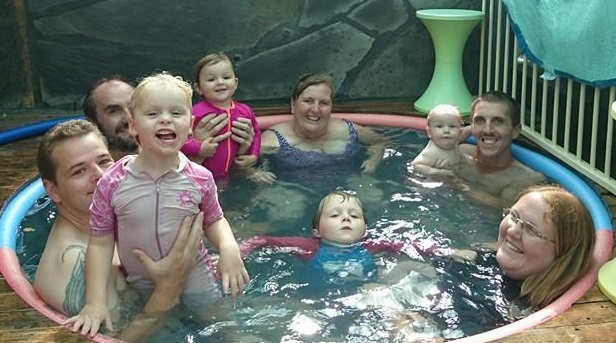
Beverley Paine with her children, and their home educated children, relaxing at home.
Together with the support of my family, my aim is to help parents educate their children in stress-free, nurturing environments. In addition to building and maintaing this website, I continue to create and manage local and national home educating networks, help to organise conferences and camps, as well as write for, edit and produce newsletters, resource directories and magazines. I am an active supporter of national, state, regional and local home education groups.
"You've been an inspiration to me, I love the way
you really listen to people." Vanessa
"Whenever I read your writing I always come away
with increased confidence in my ability to provide and
share a wonderful learning journey with my family!" Davina
"Your guidance, understanding, support and words of
wisdom changed our lives. We now offer support and
organise many homeschooling events for others." Lesley
"Thank you once again for your prompt and friendly service.
I am convinced that your books are going to add
quality and peace of mind to my journey of teaching my kids
at home! Just from studying your website, until almost
2am
in the morning, I 've been encouraged!" Louisa
"Thank you for all your many,many reassuring words
over many, many years. You probably don't know exactly how
valuable you are to the Australian Home Education community.
I've been reading your stuff for maybe 8 years or more now.
And I'm very grateful." Gythaa


Want to learn how to write your own education plans
to suit your unique children's individual learning needs?
Or you are looking for quality curriculum and teaching tips...
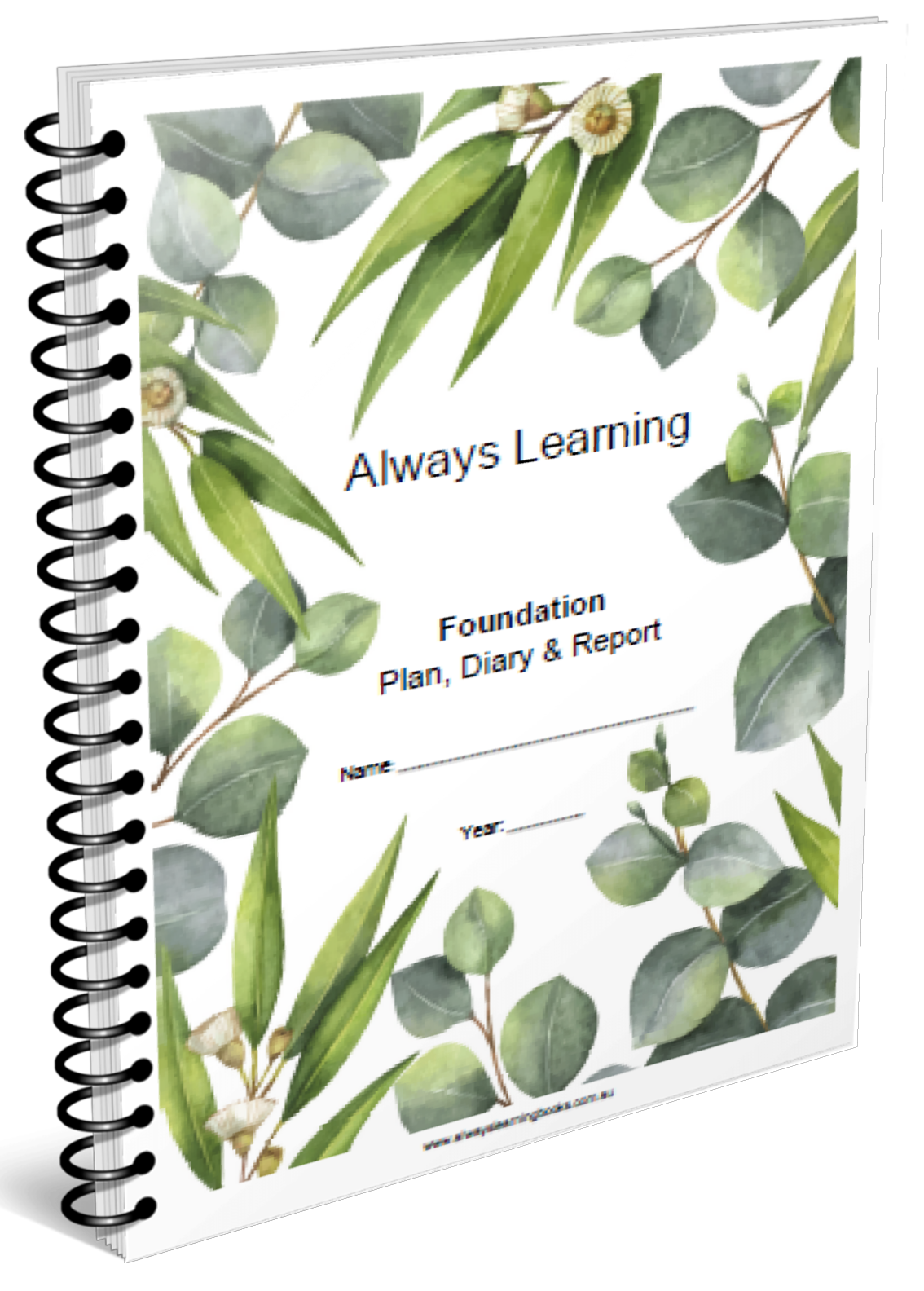
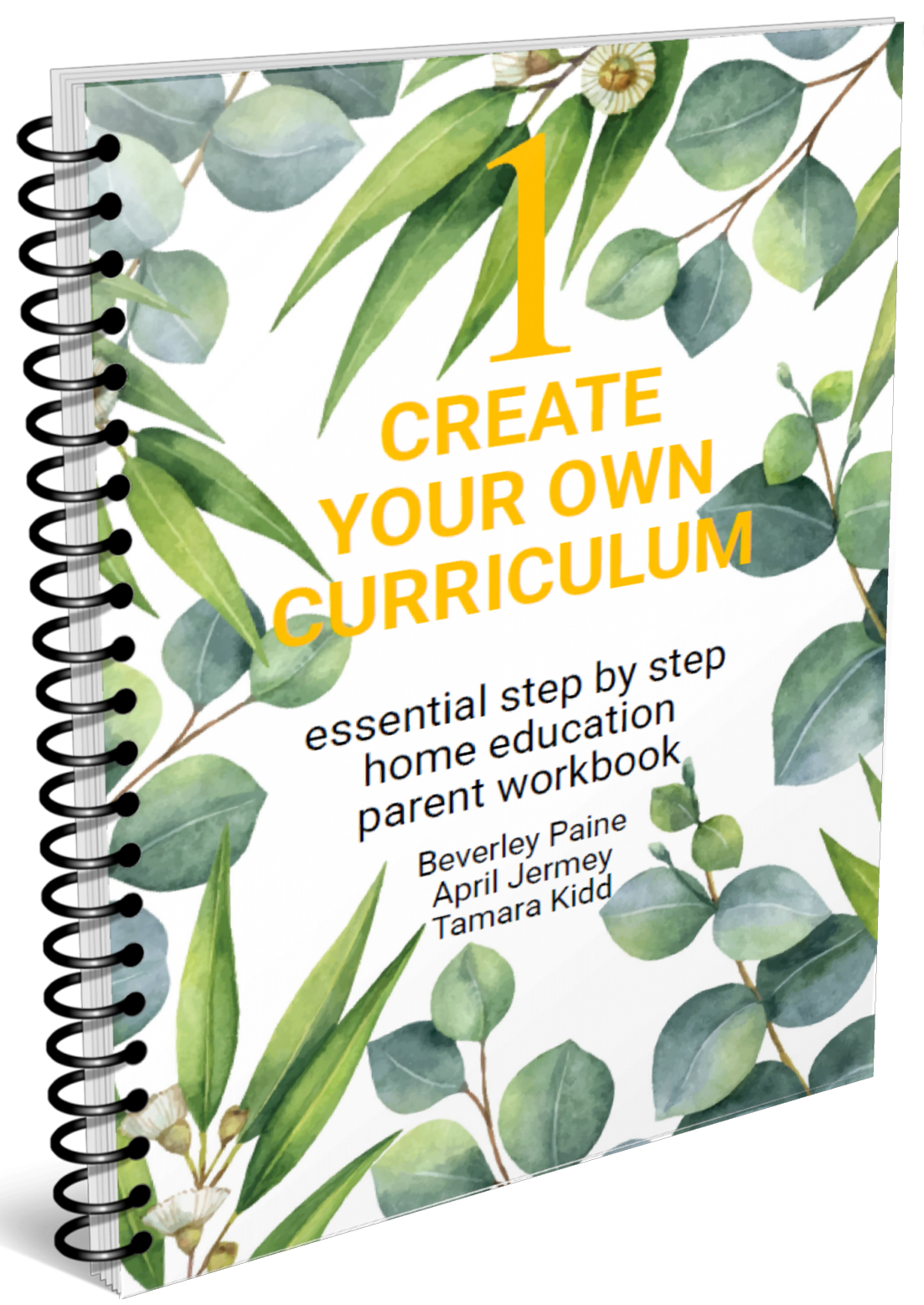
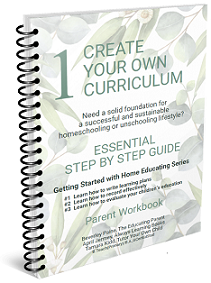
Comprehensive 3 workbook 'how to home ed' course
covering the essential skills you need
successfully home educate your children
|
|
Welcome to the World of Home Education
and Learning without School!
We began educating our children in 1985, when our eldest was five. In truth, we had helped them learn what they need to learn since they were born. I am a passionate advocate of allowing children to learn unhindered by unnecessary stress and competition, meeting developmental needs in ways that suit their individual learning styles and preferences. Ours was a homeschooling, unschooling and natural learning family! There are hundreds of articles on this site to help you build confidence as a home educating family. We hope that your home educating adventure is as satisfying as ours was! Beverley Paine
3 ESSENTIAL STEP BY STEP GUIDES
Let experienced home educators Beverley, Tamara and April walk you through HOW to create a learning plan that builds on solid foundations that works for YOUR family AND ticks all the boxes for home educaton registration!
|
Tap into Beverley's
experience
through her books
"Your books, your blogs helped me beyond words... they helped me to find comfort in knowing it is ok to choose exactly what is best for my family." Nisha
"Your books and information are mind blowing and already I am feeling good about this new experience." Diane
"Your guidance, understanding, support & words of wisdom changed our lives." Leslie
"I feel specially inspired by Beverley's words and, the more I read her comments, the more inspired I feel, since my need for support, respect for different parenting styles, and information are fully met." Marijo
|
 |
|

The information on this website is of a general nature only and is not intended as personal or professional advice. This site merges and incorporates 'Homeschool Australia' and 'Unschool Australia'.
The Educating Parent acknowledges the Traditional Aboriginal and Torres Strait Islander Owners, the Custodians of Australia, and pay our respects to Elders past and present and extend that respect to Aboriginal and Torres Strait Islander people viewing this website.
Advertise on this site.





Home education is a legal alternative
to school education in Australia.
State and Territory governments are responsible
for regulating home education and have different
requirements, however home educating families
are able to develop curriculum and learning programs
to suit the individual needs of their children.

Without revenue from advertising
by educational suppliers and Google Ads
we could not continue to provide information
to home educators. Please support us by letting
our advertisers know that you found them on
The Educating Parent. Thanks!
|
 About
About
 Thank you for visiting!