|
The Dangers of Homeschooling Dogma
by Beverley Paine, Nov 1999
� When Roger was born I shared the maternity ward with a young mother who chose to bottle feed her newborn infant. I'd always breastfed my babies, not really thinking there was any other way, fulling subscribing to the propaganda that 'breast is best'. This young woman had much to teach me, not just about parenting, but about the very nature of dogma.
Although I had failed my final year of school I spent all of high school in the 'A' stream, among a class of students destined for professional occupations. We had all learned to research and seek out information, and developed critical thinking skills. We were educated in a school system that deliberated segregated us from our fellow students destined for employment in manufacturing or service industries, hence minimising our opportunities to socialise with these people, to learn with them and understand their needs and aspirations. The few girls in my class knew they would be mothers some day, but thinking about and planning careers was more important.
The young woman I shared the ward with had quite a different education. Unable to pass the critical IQ test she was positioned within an education system that clearly limited her options and denied development of her educational potential. The lessons she encountered everyday gave her the basics only, and never sought to challenge or provide moments for the development of critical thinking ability or research skills. She was never pegged for a leadership role in society, and her education reaffirmed her position as a follower. It was easier for her to replicate the traditions within her own family and small country community.
On the other hand my education demanded that I challenge traditional wisdom, often bringing me into conflict with the community I lived with, and to derive support and solace I needed to turn away from family and friends and depend more and more upon books by 'experts'. I lost contact with people and became very lonely. I comforted myself by knowing that my children were getting that all important opportunity to bond that breast feeding offers. My loneliness, I reasoned, was due to my own bottle fed child hood.
The woman in the bed next to me knew that breast feeding was 'superior', and it was something that she'd liked to have been able to do, but it was much too hard. The odds were against it. As I listened to her reasons I knew I had all the answers to counter them - I'd read them all in the Nursing Mothers Newsletters I'd brought with me to the hospital. I could have easily quoted them all. After all I had needed them to argue my infant feeding choices and routines to my own mother, and to my mother in law.
But I kept quiet. I suddenly realised that this woman needed as much reassurance about her parenting choices as I did. Her support structures were as important as mine, and she needed them to keep her confidence high, to restore her self esteem, to bring balance and reassurance into her life at this critical time.
Her support structures included people who probably never read as widely as I did, or accessed the many community resources I needed as a new resident in the area. I could see that to struggle with breastfeeding once she left hospital would be overwhelming compared with ease and complete support that bottle feeding would offer. Decades of bottle feeding propaganda had done their work, and in this small country community the trendy move to breastfeeding, already more than a decade old, hadn't filtered through. I doubted that it ever would.
My support structures were primarily derived from my reading, and from seeking out other highly educated mothers, who favoured and promoted reading. I never really felt part of that group, though, coming from a working class background and not having obtained a university education. I really felt a part of the social group that the young woman in the maternity ward belonged to, but my elitist education set me aside.
Information can only get you so far. As social animals we really need to interact with people, and derive our social learning from these interactions, not from books.
As a home educating parent, one who supports and promotes networking and dissemination of information, I am careful to remember that woman in hospital, and how we supported each other in our baby feeding choices. I feel this is something we should all strive to do. Regardless of how we chose to home educate, what philosophy or methodology we choose we can all support each other choices, knowing that the important thing is the nurturing of the young minds in our care.
There is danger in blindly promoting a particular dogma, in much the same way there is danger in trying to teach a child something without taking into consideration that child's particular learning needs and styles. It is ever so easy to alienate people, to offend them, to bully them into reluctant compliance and thus build resentment instead of true friendship. Slowly but surely communication diminishes until, too late, relationships disappear altogether. This happens within families and within communities. If you can express your principles or opinions without arrogance, without the need to recruit or convert your listeners, then you will avoid these problems. But so few of us manage to do this, unfortunately.
I was lucky to keep my knowledge about breast feeding to myself those few days in hospital, and although I felt guilty about my silence, knowing that one child was missing out on such a great start to life, I knew that her mother felt supported about her parenting choices. She would go home and happily nurture her child in the time honoured way of four hourly feeds, training her baby to sleep through the night, progressive weight gains, and a family to help out with the feeding routine.
Later I became involved with Nursing Mothers, a self help support network, much like the homeschooling ones I see springing up around the country. However, over time I found myself facing a growing problem, one we continually face in society whenever we rigidly adhere to notions of what is right and best. This is when we most often fall victim to the negative effects of dogma.
I eventually gave up being a member of Nursing Mothers because of the inadvertent and non intended stigma about non breastfeeding women it propagated. Increasingly I found it very hard to promote the advantages of breast without 'putting down' the choices of other women, thereby running the risk of damaging their self esteem. Back then if you didn't breast feed you weren't an adequate or good enough, or even intelligent, mother! Tough call. I couldn't be part of a support system that didn't support all mothers.
I find the same problem in home education. The attitude home education is best for all students and always produces excellent or best results in parents of schooled children feeling attacked for their choices. Whilst we know the benefits of home education, we cannot say for sure if it is good for all students and families. The HIV situation in Africa has proven that breastfeeding can be lethal to some babies. Perhaps we need to err on the side of caution when selling the benefits of homeschooling to unwary and vulnerable parents. There are many families out there for whom this educational solution just won't work.
In the final analysis, the only thing we can do is put all the information on the table, make it freely available, both unbiased and biased information, and let people make the decisions for themselves.

Was this article helpful? Was it worth $1.00 to you?
Your gift of $1 or more helps to keep this site operating
offering encouragement
and reassurance to families
wanting
better outcomes for their children.
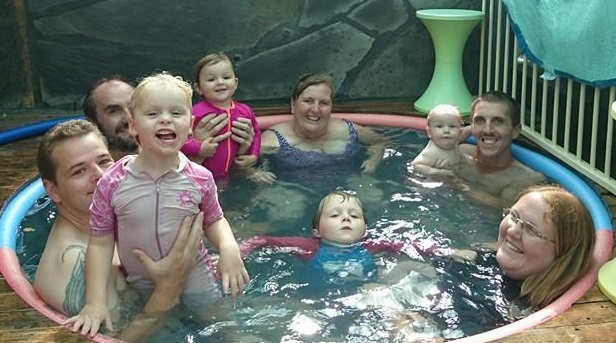
Beverley Paine with her children, and their home educated children, relaxing at home.
Together with the support of my family, my aim is to help parents educate their children in stress-free, nurturing environments. In addition to building and maintaing this website, I continue to create and manage local and national home educating networks, help to organise conferences and camps, as well as write for, edit and produce newsletters, resource directories and magazines. I am an active supporter of national, state, regional and local home education groups.
"You've been an inspiration to me, I love the way
you really listen to people." Vanessa
"Whenever I read your writing I always come away
with increased confidence in my ability to provide and
share a wonderful learning journey with my family!" Davina
"Your guidance, understanding, support and words of
wisdom changed our lives. We now offer support and
organise many homeschooling events for others." Lesley
"Thank you once again for your prompt and friendly service.
I am convinced that your books are going to add
quality and peace of mind to my journey of teaching my kids
at home! Just from studying your website, until almost
2am
in the morning, I 've been encouraged!" Louisa
"Thank you for all your many,many reassuring words
over many, many years. You probably don't know exactly how
valuable you are to the Australian Home Education community.
I've been reading your stuff for maybe 8 years or more now.
And I'm very grateful." Gythaa


Want to learn how to write your own education plans
to suit your unique children's individual learning needs?
Or you are looking for quality curriculum and teaching tips...
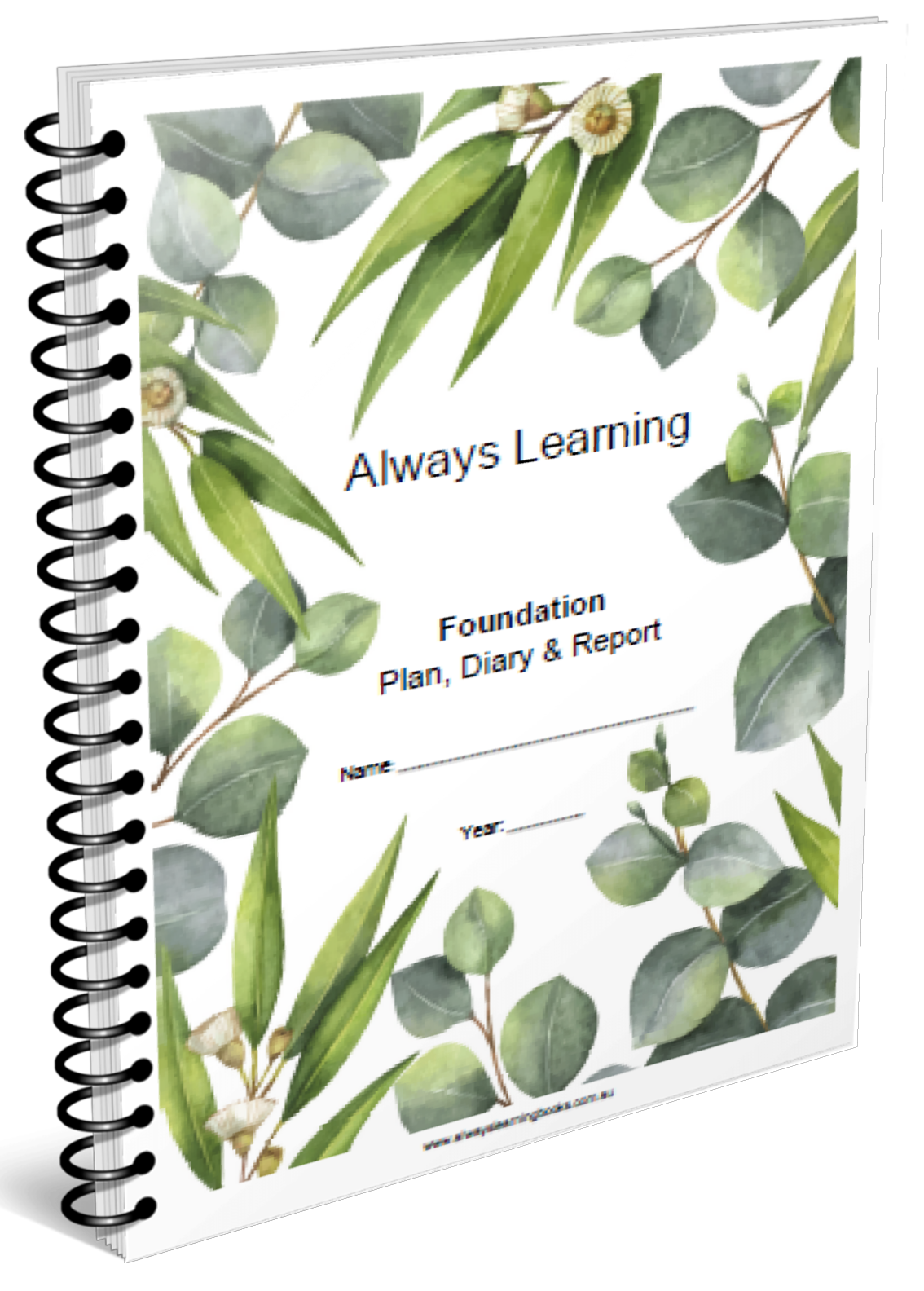
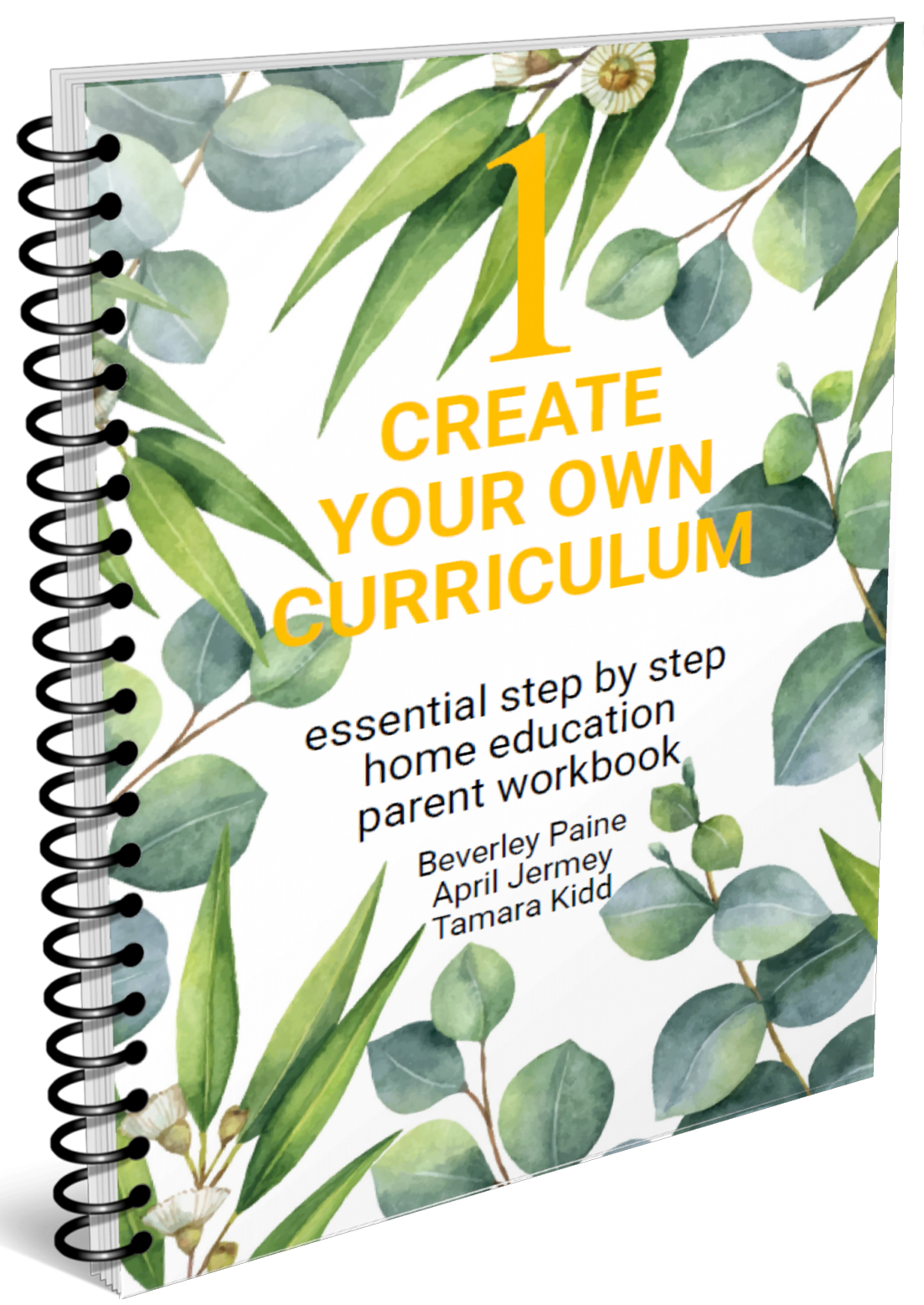
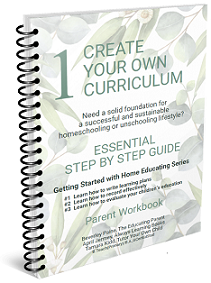
Comprehensive 3 workbook 'how to home ed' course
covering the essential skills you need
successfully home educate your children
|
|
Welcome to the World of Home Education
and Learning without School!
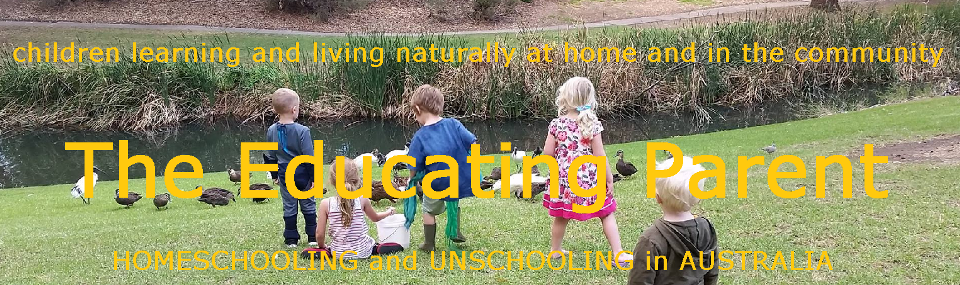
We began educating our children in 1985, when our eldest was five. In truth, we had helped them learn what they need to learn since they were born. I am a passionate advocate of allowing children to learn unhindered by unnecessary stress and competition, meeting developmental needs in ways that suit their individual learning styles and preferences. Ours was a homeschooling, unschooling and natural learning family! There are hundreds of articles on this site to help you build confidence as a home educating family. We hope that your home educating adventure is as satisfying as ours was! Beverley Paine
3 ESSENTIAL STEP BY STEP GUIDES
Let experienced home educators Beverley, Tamara and April walk you through HOW to create a learning plan that builds on solid foundations that works for YOUR family AND ticks all the boxes for home educaton registration!
|
Tap into Beverley's
experience
through her books
"Your books, your blogs helped me beyond words... they helped me to find comfort in knowing it is ok to choose exactly what is best for my family." Nisha
"Your books and information are mind blowing and already I am feeling good about this new experience." Diane
"Your guidance, understanding, support & words of wisdom changed our lives." Leslie
"I feel specially inspired by Beverley's words and, the more I read her comments, the more inspired I feel, since my need for support, respect for different parenting styles, and information are fully met." Marijo
|
 |
|

The information on this website is of a general nature only and is not intended as personal or professional advice. This site merges and incorporates 'Homeschool Australia' and 'Unschool Australia'.
The Educating Parent acknowledges the Traditional Aboriginal and Torres Strait Islander Owners, the Custodians of Australia, and pay our respects to Elders past and present and extend that respect to Aboriginal and Torres Strait Islander people viewing this website.
Advertise on this site.


Home education is a legal alternative
to school education in Australia.
State and Territory governments are responsible
for regulating home education and have different
requirements, however home educating families
are able to develop curriculum and learning programs
to suit the individual needs of their children.

Without revenue from advertising
by educational suppliers and Google Ads
we could not continue to provide information
to home educators. Please support us by letting
our advertisers know that you found them on
The Educating Parent. Thanks!
|
 About
About
 Thank you for visiting!