|
Start a Homeschool Support Group
by Beverley Paine
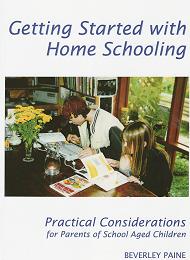
Beverley has also written a comprehensive guide to starting a homeschool aimed at helping you sidestep any potential problems and have a successful and happy group experience. Available from Always Learning Books
Why start a homeschooling group? Most of us would think the answer obvious: to provide friends for our children and for ourselves. It's very reassuring having friends who have the same kinds of interests in life as ourselves. Other reasons might include the opportunity to do educational activities together on a regular basis so that you children can learn in group situations, or to take advantage of discounts on group bookings.
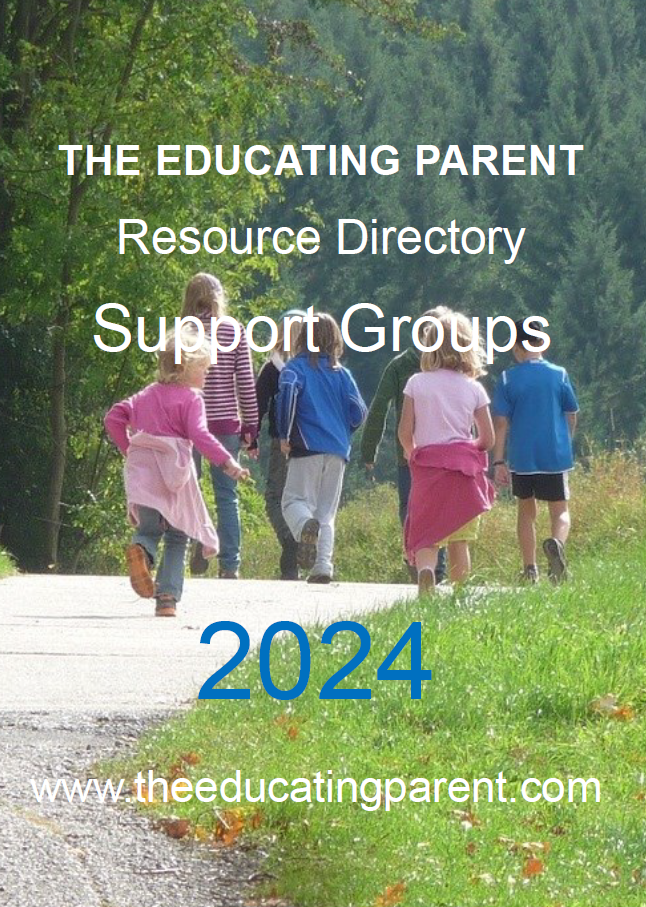
Informal playgroups are the easiest homeschooling groups to set up. Invite your homeschooling friends to meet, either in one of your homes or in a nearby park. Pick a park with plenty of shade and shelter from the wind, and preferably an undercover barbecue area just in case of inclement weather. You'll want one with lots of room for the children to run around safely and with a playground to suit the ages of the children. This type of loosely organised group has little structure and can be arranged to meet the needs of those that attend regularly while allowing others to join in and gradually get to know other homeschoolers. It's a great way to make friends and help others find their way on the homeschooling path.
More formal homeschooling groups come in all shapes and sizes. The more active a group wants to be the more it needs an effective leadership and membership structure. A little forethought and planning in the beginning stages of the group will help to reduce instances of friction down the track. Such groups can establish a calendar of events and activities with clearly defined roles and responsibilities for its members. Often such groups have a limit on the number of participants to suit specific venues or purposes. Once grown to their limit such groups become known as 'closed groups' and entry is by recommendation of existing members once a vacancy arises.
Groups members can communicate via cc'd emails, email groups, chat rooms, phone trees, or newsletters. These are all effective ways to advertise coming activities and events and to gauge numbers when planning ahead. If the group is an open group and anyone is welcome, it is a good idea to post notices on local community notice boards, in the library or shopping mall, and take advantage of free community notices in the local newspaper. Contact your state-wide homeschool support organisation and any other homeschooling groups you know about, and place a notice or ad in any homeschool newsletters within your catchment area. Word-of-mouth is probably the most effective way to grow your homeschooling group so don't forget to tell your friends to tell their friends!
Although written rules or group policies may be seen as taking the enjoyment out of the group experience, they can be helpful in clarifying how things should be run and can avoid unpleasant confusion or conflict in the future. One person's common sense may not be the same as another's! Groups should review policy and rules regularly to make sure they reflect the current culture and needs of the group.
Informal groups usually don't incur any costs but if you want to do activities that will use resources such as art and craft materials then it may be an idea to establish a petty cash fund and ask for a gold coin donation or small fee from each family. If you hire a venue you probably will need to do this anyway. More formal groups might have an annual membership subscription and this would allow them greater scope to organise structured activities for their members.
There are many things a group of homeschooling friends can do...
- organise a group cooperative library; perhaps seek grants for new books
- rotating roster of responsibility for organising an activity each week/fortnight/month if desired
- get together for a shared lunch
- quarterly shared family 'themed' dinner, or progressive dinner
- organise parents' night out (separate mums and dads - different venues, ideas, etc)
- produce a regular newsletter, online and printed, distributed to libraries
- or produce a group 'year book'
- establish a directory with contacts happy to give out information to families new to homeschooling, or a 'buddy' list for help in times of stress and need
- put on an annual concert
- hold an art and writing fair
- have a group web page
- make bumper stickers, hats, t-shirts with logo and slogans
- go on educational excursions
- go camping together
- put together an information stall with educational activities for children at a local show or market
- invite guest speakers to speak at meetings
- hold sports days
- organise Scholastic and other book club memberships and other group buying discounts
- get together with other groups to organise home education seminars and conferences, etc
- hold an annual curriculum/book fair/swap meet
- celebrate together: birthday parties and seasonal and spiritual festivals and celebrations
- organise activities: art and craft sessions, history & geography sessions, science experiments and fairs, book clubs, sports days, games clubs, computer clubs, martial arts, astronomy, theme days, movement/dance, gym/yoga/tai chi, etc.

Was this article helpful? Was it worth $1.00 to you?
Your gift of $1 or more helps to keep this site operating
offering encouragement
and reassurance to families
wanting
better outcomes for their children.
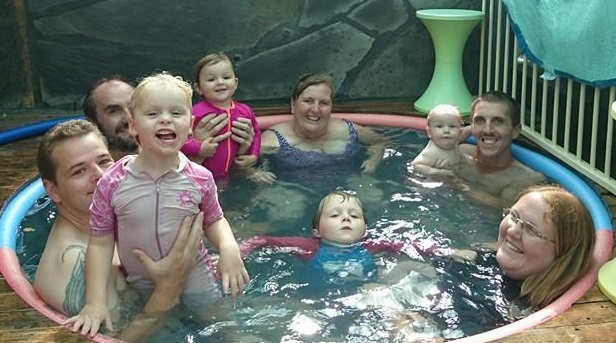
Beverley Paine with her children, and their home educated children, relaxing at home.
Together with the support of my family, my aim is to help parents educate their children in stress-free, nurturing environments. In addition to building and maintaing this website, I continue to create and manage local and national home educating networks, help to organise conferences and camps, as well as write for, edit and produce newsletters, resource directories and magazines. I am an active supporter of national, state, regional and local home education groups.
"You've been an inspiration to me, I love the way
you really listen to people." Vanessa
"Whenever I read your writing I always come away
with increased confidence in my ability to provide and
share a wonderful learning journey with my family!" Davina
"Your guidance, understanding, support and words of
wisdom changed our lives. We now offer support and
organise many homeschooling events for others." Lesley
"Thank you once again for your prompt and friendly service.
I am convinced that your books are going to add
quality and peace of mind to my journey of teaching my kids
at home! Just from studying your website, until almost
2am
in the morning, I 've been encouraged!" Louisa
"Thank you for all your many,many reassuring words
over many, many years. You probably don't know exactly how
valuable you are to the Australian Home Education community.
I've been reading your stuff for maybe 8 years or more now.
And I'm very grateful." Gythaa

CLICK HERE
if you want to learn
how to write your own education plans
to suit
your unique children's
individual learning needs?
Or you are looking for quality curriculum and teaching tips...
|
|
Welcome to the World of Home Education
and Learning without School!
We began educating our children in 1985, when our eldest was five. In truth, we had helped them learn what they need to learn since they were born. I am a passionate advocate of allowing children to learn unhindered by unnecessary stress and competition, meeting developmental needs in ways that suit their individual learning styles and preferences. Ours was a homeschooling, unschooling and natural learning family! There are hundreds of articles on this site to help you build confidence as a home educating family. We hope that your home educating adventure is as satisfying as ours was! Beverley Paine
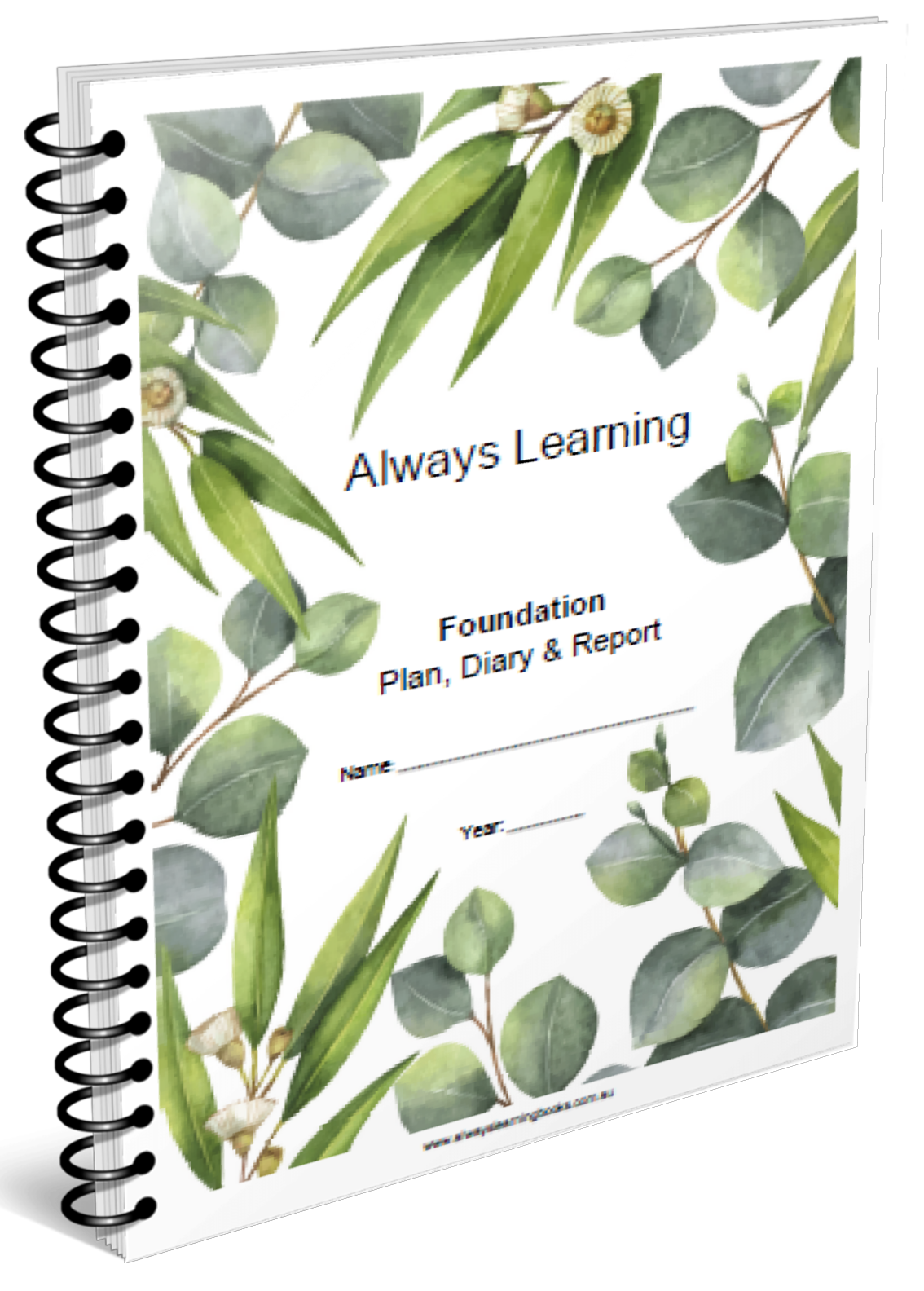
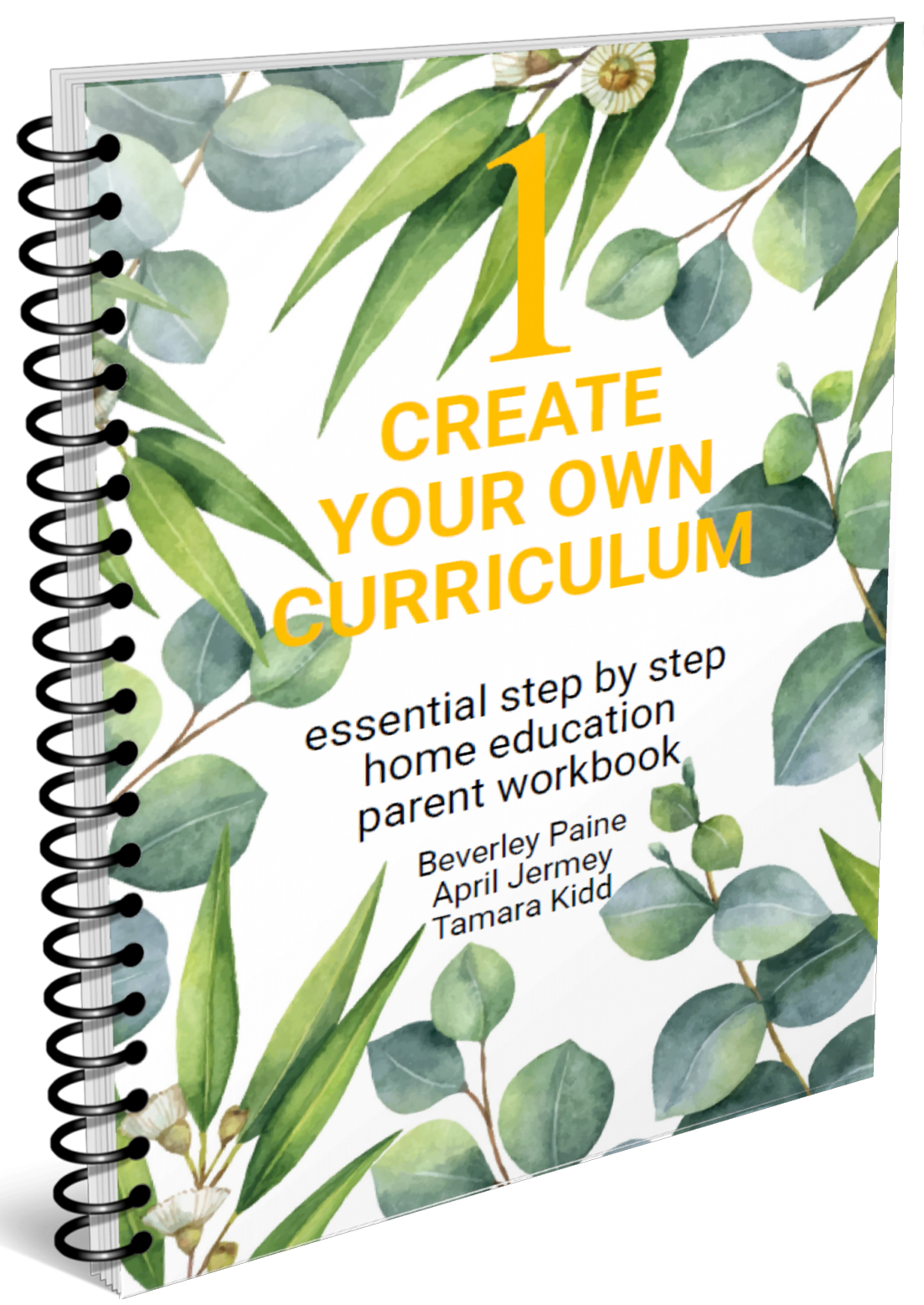
3 ESSENTIAL STEP BY STEP GUIDES
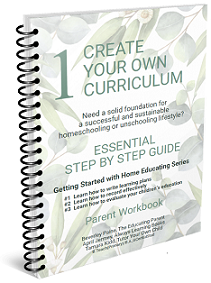
Let experienced home educators Beverley, Tamara and April walk you through HOW to create a learning plan that builds on solid foundations that works for YOUR family AND ticks all the boxes for home educaton registration!
|
Tap into Beverley's
experience
through her books
"Your books, your blogs helped me beyond words... they helped me to find comfort in knowing it is ok to choose exactly what is best for my family." Nisha
"Your books and information are mind blowing and already I am feeling good about this new experience." Diane
"Your guidance, understanding, support & words of wisdom changed our lives." Leslie
"I feel specially inspired by Beverley's words and, the more I read her comments, the more inspired I feel, since my need for support, respect for different parenting styles, and information are fully met." Marijo
|
 |
|

The information on this website is of a general nature only and is not intended as personal or professional advice. This site merges and incorporates 'Homeschool Australia' and 'Unschool Australia'.
The Educating Parent acknowledges the Traditional Aboriginal and Torres Strait Islander Owners, the Custodians of Australia, and pay our respects to Elders past and present and extend that respect to Aboriginal and Torres Strait Islander people viewing this website.
Advertise on this site.








Australia's premier online annual conferences, lifetime access to video and audio recordings, freebies, notes and associated resource guides.
EVERY SUMMIT IS UNIQUE!
$29 each  2023 2023  2022 2021 2022 2021
$25 each 2020 2019 2017
"Biggest and best Aussie homeschool event of the year!"
Home education is a legal alternative
to school education in Australia.
State and Territory governments are responsible
for regulating home education and have different
requirements, however home educating families
are able to develop curriculum and learning programs
to suit the individual needs of their children.

Without revenue from advertising
by educational suppliers and Google Ads
we could not continue to provide information
to home educators. Please support us by letting
our advertisers know that you found them on
The Educating Parent. Thanks!
|
 About
About

 Thank you for visiting!