|
How to Keep a Well Being Journal
A couple of years ago I read an article about keeping a Well Being Journal. It offered a structured way to record my emotions every day. Years before I'd seen a similar idea designed for students while working as a volunteer at a local primary school and thought that I'd give it a go. When we were homeschooling, I found that my children were more inclined to stick at developing a habit, such as daily journaling, if I did it too.
In my Well Being Journal, I record at the top of an entry how I am feeling. The idea is to use only one word and then, in another colour, write why I think I feel like that. Beneath this, in a third colour, I write what lessons I have learned from the experiences that gave rise to that emotional state. There are no right or wrong answers; all answers are valid.
The Well Being Journal isn't the kind of journal I write in at the end of the day. It's a barometer of my emotional life. Over time I've found that it helps to balance the stress I experience every day. I've discovered that being happy and excited can drain my energy levels in much the same way as being anxious or angry. By drawing attention to my fluctuating emotions and noticing recurring patterns I've learned to manage them and use them to my advantage.
For example, I find it easier now to stay focused on what I want to achieve and thus feel more organised. This means I can do more of what I want to each day. I feel that I understand myself better - why I do things the way I do - and this means I am a lot more accepting of my strengths and limitations. And I'm finding that I don't feel bad about not feeling good or happy all the time. It's as though I'm not holding onto my emotional state as much as I used to; I'm able to let go of them and allow the emotional energy to flow, rather than bottle it up in inappropriate ways.
I keep my Well Being Journal in a safe place in my bedroom, where I know it is private and will be respected as 'for my eyes only'. I don't fill it out every day, but some days I find myself adding two or more entries. Looking back through past entries is like having a conversation with a really close and trusted friend; it is easy to see the areas in my life I need to work on to feel okay about myself.
Studies have shown that writing in a journal (or blog or similar) increases your chances of reaching your goals and improves your resilience. My Well Being Journal helps me stay positive.
The following article by 2005 Doreene Clement is reprinted with permission: first published in Metamorphosis: Tools for Transformation a weekly newsletter by Peter Shepard www.trans4mind.com
Within the pages of a Well Being Journal or diary, you can record and track what serves and provides for you, and what does not. Whether you already keep a journal or want to start a Well Being Journal, it is an amazing, supportive tool that you can give to yourself.
A WBJ is an easy, simple and rewarding way to record and track your spiritual, emotional and physical journey. It has been proven that keeping a journal provides and supports in so many ways:
- Reduces stress
- Organizes and helps focus
- Helps with setting and maintaining goals and resolutions
- The routine and habit of journaling means making time for you
- Can better understand and accept yourself and others
- Can compare and explore the times of your life
- Creates a good personal reminder
- Provides personal growth and freedom
- Records and tracks business, personal or financial
- Becomes a treasured keepsake, a written scrapbook
To start your WBJ you can use a notebook, blank book or a journal. You can also use your computer to record either your daily or weekly thoughts. If you keep a journal you can add this idea to what you are already doing.
To start your WBJ, date the entry and then ask yourself how you felt today. What was the most important feeling for you today? But, answer that question with only one word, i.e., happy, sad, angry, confused, joyful, excited, anxious, worried, sick, numb, afraid, lost, grateful, etc. After you have your one word for the day, write that word in your journal. Then, with a different colored pen write your answer to the question, why?
For example if you choose angry, ask yourself, "Why do I feel angry?" Then, journal that answer. On some days you may have more than one word, one experience with its feelings to journal, so journal each separately.
Next, in a third color of pen, journal what you learned from your experience. What did that experience give to you? What did that experience teach you? What was your lesson?
Remember to set your journal where you will see it every day: On your kitchen table, on your desk, in your briefcase or by your night stand. Also, skipping a day or days is okay and is a part of keeping a journal.
Remember to tell yourself the truth. This is your journal and it is a relative reflection of your experiences. Whatever you write is perfect.
 Doreene Clement is the creator of " The 5 Year Journal ." Studies have shown that by using journaling you will increase your chances of reaching your goals (career goals, financial goals, fitness goals, relationship goals) by as much as 82%! It's also proven that people who follow this method easily move through challenges and adversity and it helps them, more than anything else, to keep focused on their reason for being. Doreene Clement is the creator of " The 5 Year Journal ." Studies have shown that by using journaling you will increase your chances of reaching your goals (career goals, financial goals, fitness goals, relationship goals) by as much as 82%! It's also proven that people who follow this method easily move through challenges and adversity and it helps them, more than anything else, to keep focused on their reason for being.

Was this article helpful? Was it worth $1.00 to you?
Your gift of $1 or more helps to keep this site operating
offering encouragement
and reassurance to families
wanting
better outcomes for their children.
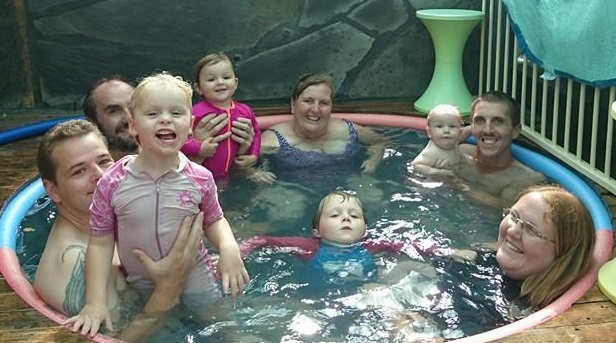
Beverley Paine with her children, and their home educated children, relaxing at home.
Together with the support of my family, my aim is to help parents educate their children in stress-free, nurturing environments. In addition to building and maintaing this website, I continue to create and manage local and national home educating networks, help to organise conferences and camps, as well as write for, edit and produce newsletters, resource directories and magazines. I am an active supporter of national, state, regional and local home education groups.
"You've been an inspiration to me, I love the way
you really listen to people." Vanessa
"Whenever I read your writing I always come away
with increased confidence in my ability to provide and
share a wonderful learning journey with my family!" Davina
"Your guidance, understanding, support and words of
wisdom changed our lives. We now offer support and
organise many homeschooling events for others." Lesley
"Thank you once again for your prompt and friendly service.
I am convinced that your books are going to add
quality and peace of mind to my journey of teaching my kids
at home! Just from studying your website, until almost
2am
in the morning, I 've been encouraged!" Louisa
"Thank you for all your many,many reassuring words
over many, many years. You probably don't know exactly how
valuable you are to the Australian Home Education community.
I've been reading your stuff for maybe 8 years or more now.
And I'm very grateful." Gythaa


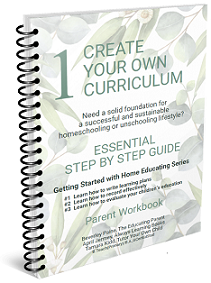
Want to learn how to write your own education plans
to suit your unique children's individual learning needs?
Or you are looking for quality curriculum and teaching tips...
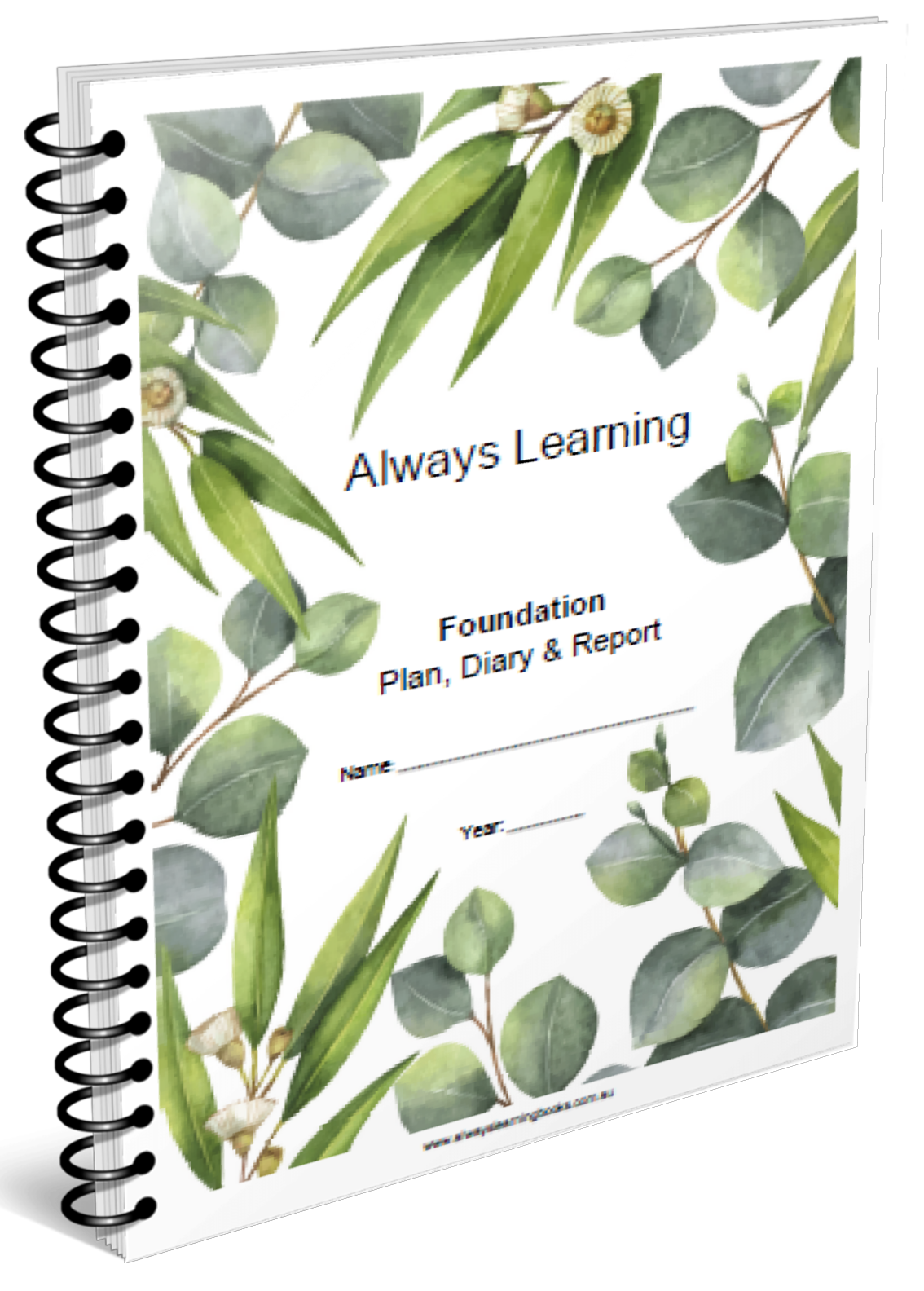
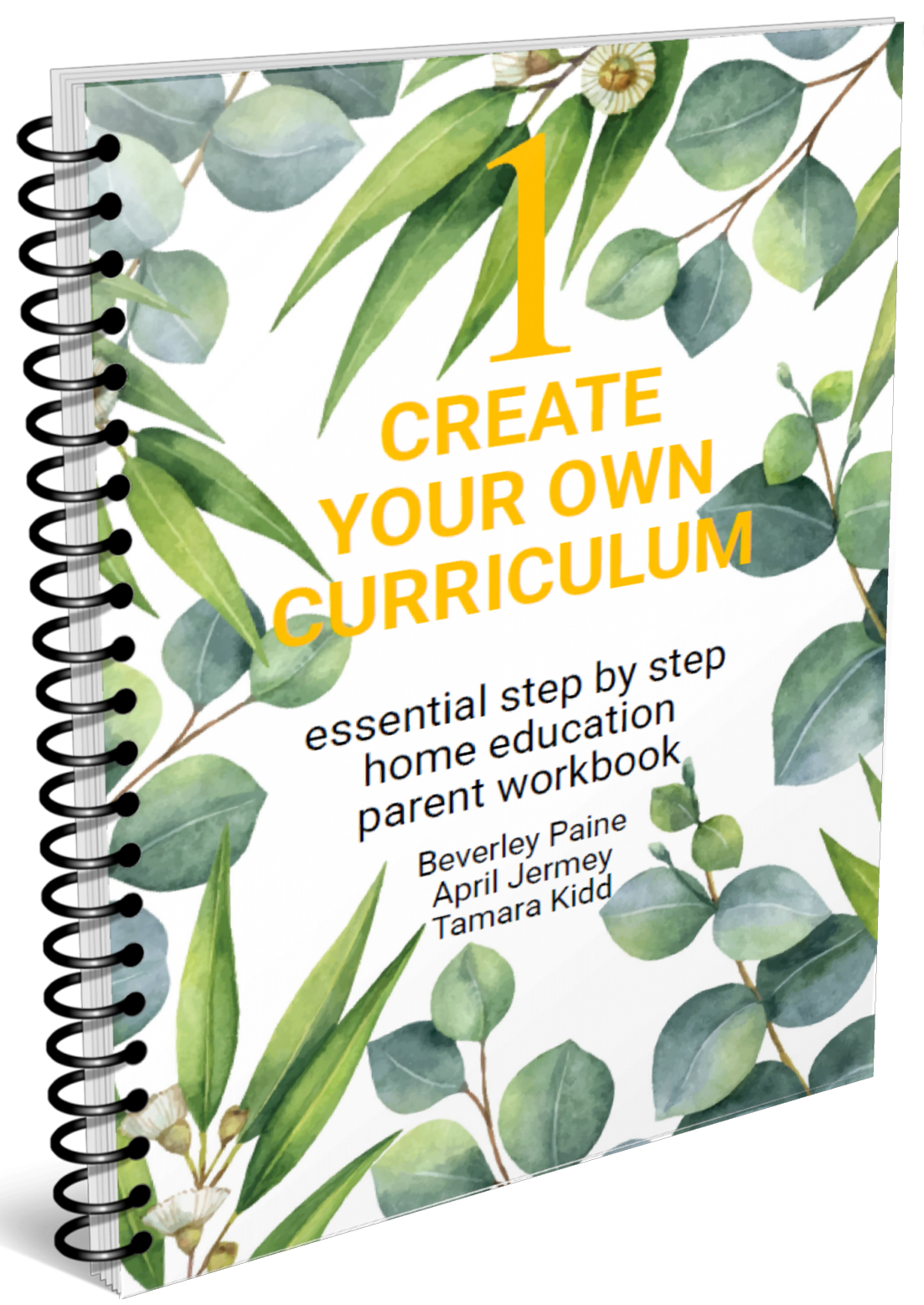
Comprehensive 3 workbook 'how to home ed' course
covering the essential skills you need
successfully home educate your children
|
|
Welcome to the World of Home Education
and Learning without School!
We began educating our children in 1985, when our eldest was five. In truth, we had helped them learn what they need to learn since they were born. I am a passionate advocate of allowing children to learn unhindered by unnecessary stress and competition, meeting developmental needs in ways that suit their individual learning styles and preferences. Ours was a homeschooling, unschooling and natural learning family! There are hundreds of articles on this site to help you build confidence as a home educating family. We hope that your home educating adventure is as satisfying as ours was! Beverley Paine
3 ESSENTIAL STEP BY STEP GUIDES
Let experienced home educators Beverley, Tamara and April walk you through HOW to create a learning plan that builds on solid foundations that works for YOUR family AND ticks all the boxes for home educaton registration!
|
Tap into Beverley's
experience
through her books
"Your books, your blogs helped me beyond words... they helped me to find comfort in knowing it is ok to choose exactly what is best for my family." Nisha
"Your books and information are mind blowing and already I am feeling good about this new experience." Diane
"Your guidance, understanding, support & words of wisdom changed our lives." Leslie
"I feel specially inspired by Beverley's words and, the more I read her comments, the more inspired I feel, since my need for support, respect for different parenting styles, and information are fully met." Marijo
|
 |
|

The information on this website is of a general nature only and is not intended as personal or professional advice. This site merges and incorporates 'Homeschool Australia' and 'Unschool Australia'.
The Educating Parent acknowledges the Traditional Aboriginal and Torres Strait Islander Owners, the Custodians of Australia, and pay our respects to Elders past and present and extend that respect to Aboriginal and Torres Strait Islander people viewing this website.
Advertise on this site.





Home education is a legal alternative
to school education in Australia.
State and Territory governments are responsible
for regulating home education and have different
requirements, however home educating families
are able to develop curriculum and learning programs
to suit the individual needs of their children.

Without revenue from advertising
by educational suppliers and Google Ads
we could not continue to provide information
to home educators. Please support us by letting
our advertisers know that you found them on
The Educating Parent. Thanks!
|
 About
About
 Thank you for visiting!